Introduction to Thematic ETFs
The financial market in India has changed dramatically over the past decade, and in 2025, one of the hottest trends among investors is Thematic ETFs. You might have seen this term popping up on financial news, YouTube videos, or even through your stockbroker’s recommendations. But what exactly are these Thematic ETFs, and why are so many investors talking about them? Let’s break it down in the simplest way possible.
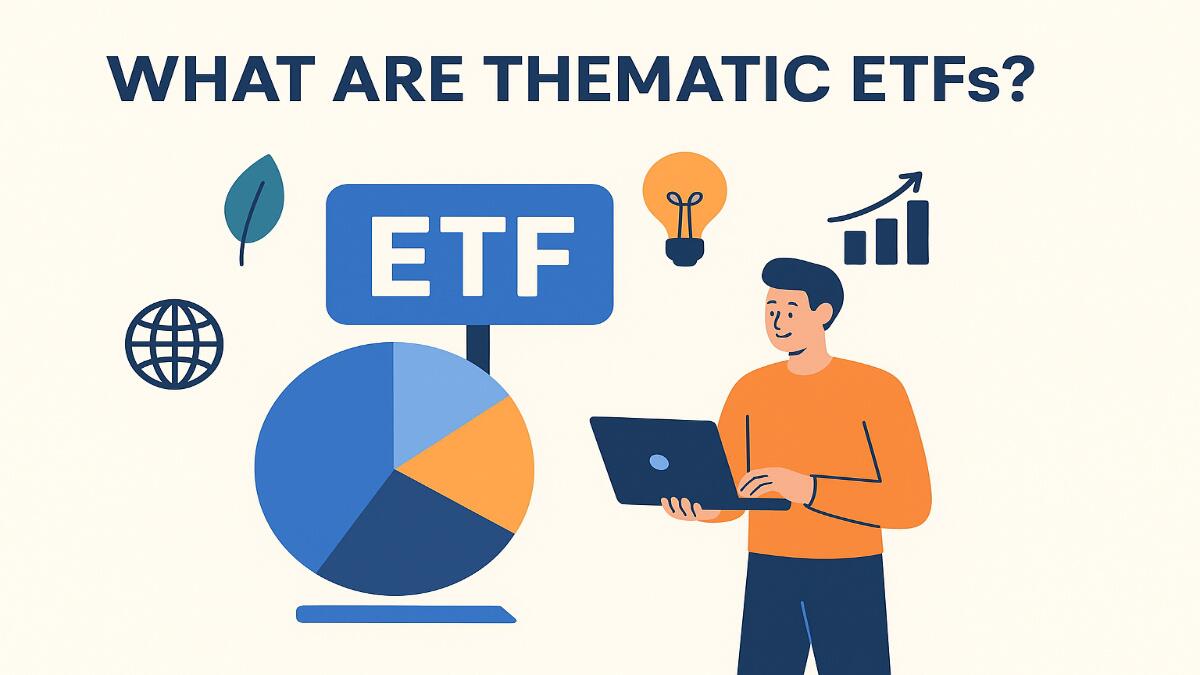
At its core, a Thematic ETF (Exchange Traded Fund) is a basket of stocks that focuses on a specific theme or idea rather than just a broad index like Nifty 50 or Sensex. For example, if you believe technology and artificial intelligence (AI) will dominate the future, you can invest in an IT-based Thematic ETF. Similarly, if you are confident in the healthcare boom, then a Pharma ETF could be your go-to option.
The main reason investors are showing interest in 2025 is because Thematic ETFs allow them to bet on future trends directly. Instead of spreading money across all sectors, they can put their money into the industries they believe will perform the best. For instance, India’s IT sector has been a global leader for decades, and pharma companies played a crucial role during the pandemic—these sectors continue to attract investors.”What Are Thematic ETFs?”
Another reason for popularity is simplicity. Instead of picking individual IT or pharma stocks (which requires heavy research), you can simply invest in a Thematic ETF and instantly gain exposure to a portfolio of the best companies in that sector.
In short, Thematic ETFs are like ready-made investment baskets designed around a specific idea—whether it’s technology, healthcare, clean energy, banking, or even electric vehicles. They combine the benefits of diversification with the power of focusing on high-growth themes.
In 2025, with India’s economy expected to grow steadily and investors becoming more digitally aware, Thematic ETFs are no longer just a buzzword—they are a serious tool for smart investing.
Table of Contents
Basics of Exchange-Traded Funds (ETFs)
Before diving deeper into Thematic ETFs, let’s make sure we understand the basics of ETFs. If you’re new to investing, don’t worry—I’ll explain it in simple language.
An ETF (Exchange Traded Fund) is an investment fund that is listed and traded on the stock exchange, just like a stock. Unlike mutual funds, where you need to apply through an AMC (Asset Management Company) and wait for the NAV (Net Asset Value) price, ETFs can be bought and sold in real-time during market hours.
Think of an ETF as a basket of stocks or bonds that follows a particular index, sector, or theme. For example, a Nifty 50 ETF will include all 50 stocks from the Nifty index. Thematic ETFs take it one step further by focusing on a specific theme, such as IT, pharma, or renewable energy.
Key Features of ETFs:
- Liquidity – You can buy and sell ETFs anytime during market hours.
- Diversification – Instead of buying one stock, you invest in a group of companies.
- Lower Cost – ETFs usually have lower expense ratios compared to mutual funds.
- Transparency – The portfolio is publicly available, so you know exactly what you’re investing in.
ETFs vs Mutual Funds
- Mutual funds are managed actively by fund managers, whereas ETFs mostly follow a passive approach.
- In ETFs, you buy and sell units like shares; in mutual funds, you buy at day-end NAV price.
- ETFs generally have lower costs compared to mutual funds.
Here’s a simple comparison table:
| Feature | ETFs | Mutual Funds |
|---|---|---|
| Buying/Selling | On stock exchange (real-time) | Through AMC (end of day NAV) |
| Cost | Low expense ratio | Higher expense ratio |
| Transparency | High (daily disclosure) | Moderate |
| Liquidity | High (can be sold anytime) | Limited (depends on redemption process) |
| Investment Style | Passive (index/theme based) | Active (fund manager decides) |
So, ETFs act as the bridge between stocks and mutual funds—offering flexibility of stocks and diversification of mutual funds.
The Concept of Thematic Investing
Now that you know what ETFs are, let’s understand thematic investing, which is the foundation of Thematic ETFs.
Thematic investing simply means investing in a group of companies based on a central idea or trend. Unlike traditional investing that focuses only on financials, thematic investing looks at future opportunities and long-term growth stories.
For example:
- In the early 2000s, IT outsourcing became a global trend. Investors who believed in this theme and invested in Infosys, Wipro, or TCS saw massive returns.
- During the pandemic, pharma and healthcare became essential. Those who invested in pharma ETFs or related stocks benefited when demand surged.
- Now, with climate change awareness, renewable energy and electric vehicles (EVs) are becoming strong investment themes.
Benefits of Thematic Investing:
- Helps investors ride the wave of emerging industries.
- Allows focusing on high-growth sectors instead of traditional industries.
- Offers better returns if the theme plays out successfully.
Risks of Thematic Investing:
- If the theme doesn’t perform well, returns can be lower than broad index funds.
- High concentration risk (all companies belong to one sector/theme).
- Short-term volatility can affect investor confidence.
To put it simply, thematic investing is like placing your bets on the future you believe in. If you believe technology, AI, pharma, or renewable energy will dominate in the coming years, Thematic ETFs give you a direct way to invest in those ideas without needing to pick individual winners.
Different Types of Thematic ETFs
Now let’s explore the different types of thematic ETFs available in India. This is where things get really exciting because you can choose a theme that matches your personal belief in the future.
1. IT & Technology ETFs in India
India’s IT sector is world-famous. Companies like Infosys, TCS, and Wipro have made India a global outsourcing hub. With the rise of Artificial Intelligence, Cloud Computing, and Cybersecurity in 2025, IT ETFs are becoming extremely popular among investors.
An IT ETF usually invests in the top-performing technology companies, giving you exposure to the entire sector. Instead of buying TCS or Infosys individually, you can invest in one IT ETF and automatically get a share of multiple companies.
2. Pharma & Healthcare ETFs in India
Healthcare is another sector that continues to shine. The pandemic highlighted the importance of medical research, vaccines, and strong healthcare infrastructure. Pharma ETFs focus on leading drug manufacturers, hospital chains, and biotech companies.
In India, pharma is not just a domestic story—it’s also an export success. Indian pharma companies supply medicines worldwide, making it a profitable long-term investment theme.
3. Other Sector-Specific ETFs
Apart from IT and pharma, investors can explore:
- Banking ETFs – Focused on India’s financial growth and strong banks.
- FMCG ETFs – Consumer goods companies that benefit from rising middle-class demand.
- Energy ETFs – Traditional energy companies, as well as new-age green energy firms.
- EV & Renewable ETFs – The next big growth story in India as the government pushes for clean energy.
By picking the right theme, investors can align their portfolio with future megatrends instead of just following traditional indices.
Why Thematic ETFs Are Popular in 2025
So, why are Thematic ETFs getting so much attention in 2025? The answer lies in global shifts and investor psychology.
1. Digital Transformation & AI in IT ETFs
With ChatGPT, AI automation, and cloud-based solutions, technology is no longer optional—it’s a necessity. Every company needs digital tools to survive, and Indian IT companies are major beneficiaries.
2. Rising Healthcare Demand
India’s population is growing, and with it, healthcare needs are also rising. More hospitals, better medicines, and advanced biotech research mean pharma companies are poised for growth.
3. Green Energy & Sustainability ETFs
Climate change has pushed governments to adopt renewable energy. Solar, wind, and electric vehicle companies are expected to boom, and thematic ETFs make it easy to invest in these opportunities.
Investors in 2025 want focused, smart, and future-ready investments, and that’s exactly what thematic ETFs offer.
Advantages of Thematic ETFs
Investing in thematic ETFs comes with several unique advantages that make them highly attractive for investors in 2025. Many people are tired of putting money into traditional index funds or fixed deposits that give limited returns. Instead, they want to capture the next wave of growth—and thematic ETFs provide exactly that.
Let’s break down the key benefits:
1. Diversification with Focus
When you buy an individual stock, say Infosys or Sun Pharma, your investment depends entirely on how that one company performs. But with a thematic ETF, you don’t put all your eggs in one basket. You gain exposure to 10–20 leading companies within the same sector or theme.
For example, if you buy a Pharma ETF, you’ll get exposure to Sun Pharma, Dr. Reddy’s, Cipla, and other top companies—reducing the risk of a single company underperforming. At the same time, unlike a Nifty 50 ETF, your investment is focused only on the healthcare theme, which increases growth potential.
2. Lower Costs Compared to Active Funds
Active mutual funds often charge high expense ratios because they are managed by fund managers who frequently buy and sell stocks. On the other hand, most thematic ETFs are passively managed, meaning they simply track a specific index of companies under that theme. This makes them cheaper to hold, leaving more money in your pocket over time.
3. Easy Accessibility & Liquidity
One of the biggest problems with traditional investments like fixed deposits or even some mutual funds is liquidity—you can’t always take out your money instantly. Thematic ETFs solve this problem. Since they are traded on the stock exchange, you can buy or sell them anytime during market hours, just like a normal stock.
4. Direct Exposure to Future Trends
Do you believe artificial intelligence will change the world? Or that renewable energy is the future? Instead of guessing which single company will benefit the most, you can invest in the entire sector through a thematic ETF. This way, even if one company fails, others will balance your returns.
5. Transparency & Simplicity
The holdings of an ETF are always disclosed publicly. This means you always know which companies are inside your ETF—unlike some mutual funds where it’s harder to see exact real-time holdings.
To summarize, thematic ETFs are like a simple, low-cost ticket to participate in the big growth stories of tomorrow.
Risks and Challenges of Thematic ETFs
Now, let’s be honest—no investment is risk-free. While thematic ETFs have huge potential, they also come with certain risks that investors must carefully consider before jumping in.
1. Market Volatility Risks
Thematic ETFs are often linked to fast-growing industries. This means they can show high returns in bull markets, but also sharp declines in bear markets. For example, IT ETFs may fall if global demand for software outsourcing slows down.
2. Sector-Specific Risks
Unlike broad market ETFs (like Nifty 50 ETFs), thematic ETFs are concentrated in a single sector. If that sector faces challenges—say, stricter government regulations on pharma companies—your ETF will likely see a major dip.
3. Concentration Risks
A thematic ETF is usually made up of 10–20 companies. While that’s still safer than investing in one stock, it’s not as diversified as index funds with 50–100 companies. This concentration risk can affect returns if a few companies perform poorly.
4. Short-Term Hype vs Long-Term Value
Sometimes, investors jump into a theme just because it’s trending. For example, during the pandemic, many rushed to invest in healthcare stocks at very high prices. When the hype cooled, returns fell sharply. This shows that timing matters a lot in thematic investing.
5. Liquidity Issues in Niche ETFs
Some thematic ETFs in India are still relatively new, which means they may not always have enough buyers and sellers in the market. This can make it hard to exit your position quickly.
In short, thematic ETFs are like riding a fast-moving car. You can reach your destination quickly, but if you don’t wear your seatbelt (do research and risk management), you could also face serious bumps along the way.
Thematic ETFs vs Sector ETFs
This is where many investors get confused: Are thematic ETFs and sector ETFs the same thing? The short answer is no—there are differences. Let’s clear this up.
What Are Sector ETFs?
Sector ETFs invest in all companies within one particular industry. For example:
- A Banking ETF invests in all leading banks like HDFC Bank, ICICI Bank, SBI, etc.
- A Pharma ETF invests in multiple pharma companies like Sun Pharma, Dr. Reddy’s, Cipla.
These ETFs are focused purely on sectors, not broader trends.
What Are Thematic ETFs?
Thematic ETFs go beyond just one sector. They focus on a broader theme that may involve multiple industries.
For example:
- A Digital Transformation ETF may include IT companies, e-commerce firms, and even fintech players.
- A Healthcare Innovation ETF may include pharma companies, hospitals, and biotech firms.
So, thematic ETFs are wider in scope and more forward-looking than sector ETFs.
Which is Better in 2025?
- If you want to bet on one strong industry (like pharma), go for sector ETFs.
- If you believe in larger megatrends (like AI, renewable energy, digital payments), thematic ETFs are better.
Here’s a quick comparison table:
| Feature | Sector ETFs | Thematic ETFs |
|---|---|---|
| Focus | One industry (e.g., banking, pharma) | Multiple industries under one theme |
| Risk Level | Moderate | Higher (depends on theme success) |
| Growth Potential | Good | Very high (if theme plays out) |
| Suitable for | Conservative investors | Aggressive, future-focused investors |
Best Performing Thematic ETFs in India (2024–2025)
If you’re planning to invest in 2025, it’s important to know which ETFs have performed well recently. Performance data helps you understand investor demand and sector strength.
1. IT ETFs
Indian IT companies like Infosys, TCS, Wipro, and HCL Technologies continue to be global leaders in outsourcing, AI, and cloud solutions. IT ETFs delivered 12–15% annualized returns in 2024 and are expected to remain strong in 2025 due to increasing digital adoption.
2. Pharma ETFs
Pharma ETFs benefited from export growth and rising domestic healthcare demand. In 2024, they delivered 10–12% returns, with companies like Sun Pharma and Dr. Reddy’s leading the way.
3. Banking ETFs
India’s banking sector recovered strongly post-pandemic. With credit growth and digital payments increasing, banking ETFs saw 13–16% returns in 2024.
4. FMCG & Consumption ETFs
As India’s middle class grows, FMCG and consumer-focused ETFs remain stable performers. They gave 8–10% returns in 2024, making them safer for long-term investors.
5. Green Energy & EV ETFs (Emerging)
Though still new, these ETFs are gaining traction as the government pushes for clean energy. Analysts expect high growth potential in the next 5–10 years, though short-term volatility is high.
Here’s a simplified performance table:
| ETF Type | Average Return (2024) | Outlook 2025 |
|---|---|---|
| IT ETFs | 12–15% | Strong growth |
| Pharma ETFs | 10–12% | Stable & growing |
| Banking ETFs | 13–16% | Very positive |
| FMCG ETFs | 8–10% | Safe, steady |
| Green Energy & EV ETFs | 7–9% (early stage) | High future potential |
How to Start Investing in Thematic ETFs in India
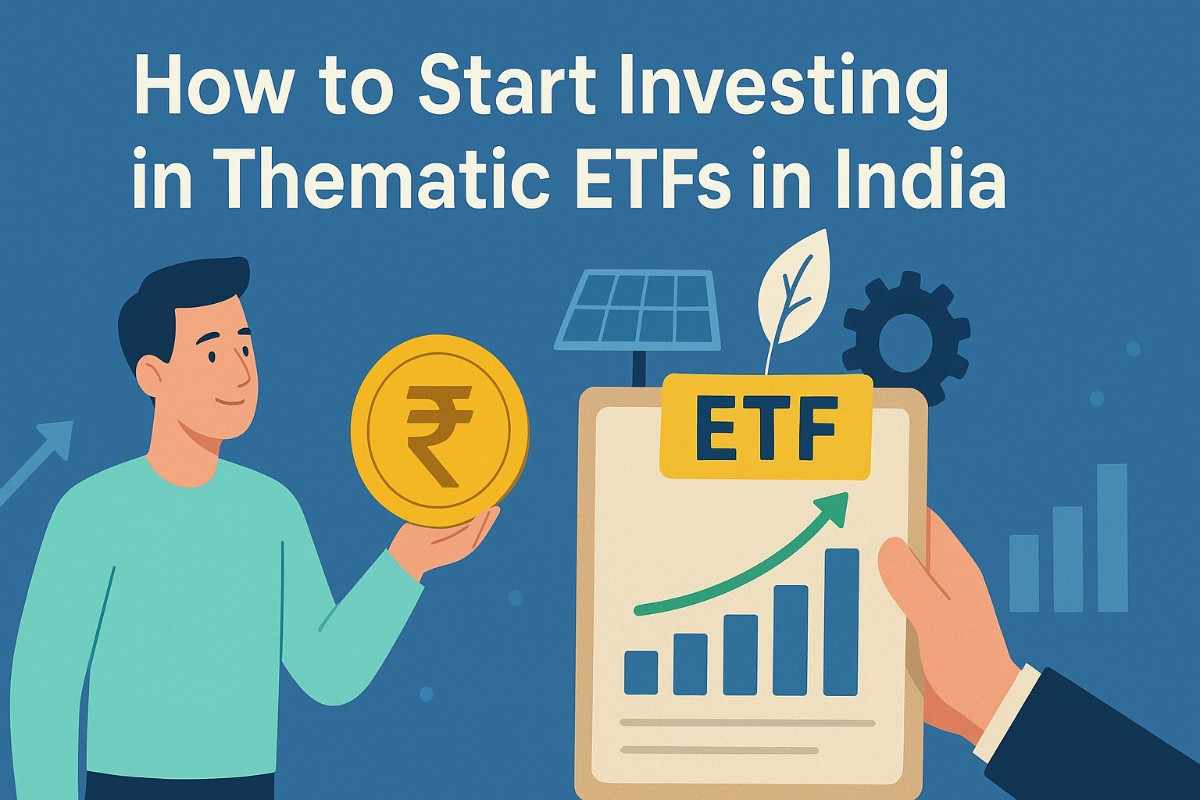
If you’re convinced and want to start investing in thematic ETFs, the process is simple. Here’s a step-by-step guide:
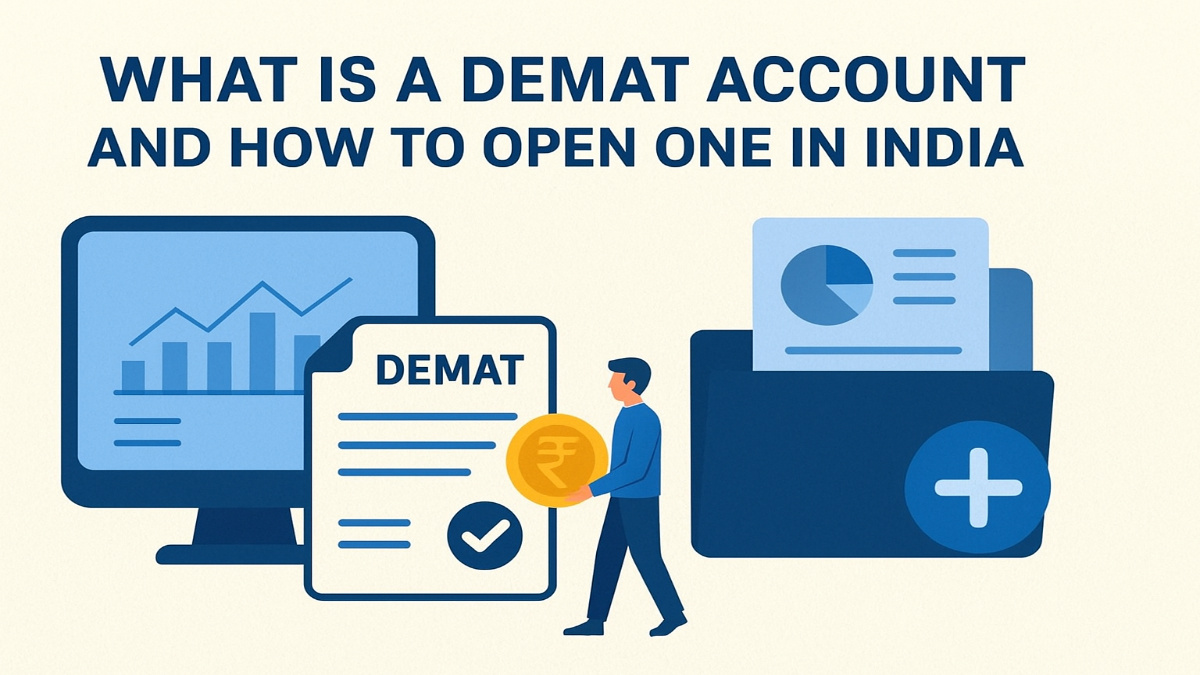
Step 1: Open a Demat & Trading Account
You need a Demat account with a broker like Zerodha, Groww, Upstox, or ICICI Direct.
Step 2: Select the ETF You Want
Decide on the theme—IT, pharma, banking, or renewable energy. Compare past performance, expense ratios, and liquidity before making a choice.
Step 3: Place a Buy Order
Search for the ETF symbol (like “Nippon India ETF IT” or “ICICI Prudential Pharma ETF”) on your broker’s app and place a buy order, just like you buy stocks.
Step 4: Hold for the Long Term
Thematic ETFs are not meant for short-term trading. Ideally, hold them for at least 3–5 years to ride out volatility and benefit from sector growth.
Step 5: Monitor & Diversify
Don’t put all your money in one theme. Spread across 2–3 themes to reduce risk. For example, combine IT and Pharma ETFs for balance.
Taxation Rules on Thematic ETFs in India
Before you start investing in Thematic ETFs, you must clearly understand how they are taxed in India. Many new investors only look at returns but forget that taxes can eat into profits if not planned properly. So let’s break it down in a simple manner.
The Indian government treats ETFs differently based on whether they are equity-oriented ETFs or non-equity ETFs. Since most Thematic ETFs (like IT, Pharma, Banking) are equity-based, they follow equity taxation rules.
1. Short-Term Capital Gains (STCG) Tax
If you sell your Thematic ETF within 12 months of buying, the gains are treated as short-term capital gains. These are taxed at 15% flat, regardless of your income tax slab.
Example:
- You invested ₹1,00,000 in an IT ETF.
- Within 8 months, your investment grew to ₹1,20,000.
- Profit = ₹20,000 → You will pay ₹3,000 as tax (15%).
2. Long-Term Capital Gains (LTCG) Tax
If you hold your Thematic ETF for more than 12 months, your gains are treated as long-term capital gains. These are taxed at 10% on gains exceeding ₹1 lakh per financial year (without indexation).
Example:
- You invested ₹1,00,000 in a Pharma ETF.
- After 2 years, it grew to ₹1,50,000.
- Profit = ₹50,000 → Since profit is below ₹1 lakh, you pay zero tax.
3. Dividends on ETFs
If the ETF declares dividends, they are added to your income and taxed as per your income tax slab. Most investors prefer growth option ETFs to avoid this complication.
4. Tax-Saving Tips for ETF Investors
- Hold your ETF for longer than 12 months to benefit from lower LTCG tax.
- Invest gradually (SIP style) to spread out entry points and manage tax impact.
- Use tax-loss harvesting—if one ETF is in loss, sell it before March 31st to set off against other capital gains.
👉 Bottom line: In India, Thematic ETFs are tax-efficient instruments, especially if you are a long-term investor.
Who Should Invest in Thematic ETFs?
Now comes the big question: Are Thematic ETFs right for you? The answer depends on your risk appetite, investment horizon, and financial goals.
1. Ideal Investor Profile
- Investors who believe in long-term growth stories (like AI, Pharma, Green Energy).
- People who want exposure to specific sectors without stock-picking.
- Young investors looking for higher returns than traditional FDs or bonds.
2. Investment Horizon
Thematic ETFs are not for people who want quick profits. They work best if you have a 3–7 year horizon, allowing the theme to fully play out.
3. Should Beginners Invest?
Yes, but with caution. Beginners should not put all their savings into a single theme. Instead:
- Allocate 10–20% of your portfolio to thematic ETFs.
- Balance the rest with safer options like index funds or blue-chip stocks.
4. Who Should Avoid Thematic ETFs?
- Extremely conservative investors who cannot handle volatility.
- People with short-term goals like buying a car or funding a wedding in 1 year.
👉 Thematic ETFs are best for investors who are forward-thinking and patient. If you can handle short-term ups and downs, they can give you superior long-term wealth creation.
Comparison Table: Thematic ETFs vs Mutual Funds vs Stocks
To make it easier for you, here’s a side-by-side comparison between Thematic ETFs, mutual funds, and direct stocks:
| Feature | Thematic ETFs | Mutual Funds | Stocks |
|---|---|---|---|
| Investment Style | Passive (theme/index based) | Active (fund manager driven) | Direct company investing |
| Diversification | Medium (10–20 companies) | High (30–100+ companies) | None (1 company) |
| Risk Level | Moderate-High | Moderate | High |
| Returns Potential | High (if theme succeeds) | Moderate-High | Very High (if stock performs) |
| Liquidity | High (traded like stocks) | Medium (redemption takes time) | High |
| Transparency | High (daily holdings visible) | Medium (monthly disclosures) | High |
| Costs (Expense Ratio) | Low (0.1%–0.5%) | Higher (1%–2%) | None (except brokerage) |
| Suitable For | Future-focused, trend investors | Balanced investors | Aggressive, experienced traders |
👉 From this, you can see that Thematic ETFs provide a middle path—offering more safety than stocks but more focused growth than mutual funds.
Future of Thematic ETFs in India
The question every investor is asking in 2025: Do thematic ETFs have a bright future in India? Let’s analyze the trends.
1. Growth Potential of IT ETFs
India remains a global IT hub. With AI, cloud, cybersecurity, and blockchain adoption rising, IT ETFs will continue to be strong performers over the next decade.
2. Pharma & Healthcare Demand
India is called the “Pharmacy of the World.” With increasing domestic demand and exports to the US and Europe, pharma ETFs are expected to grow steadily.
3. Green Energy & EV Revolution
Government initiatives like FAME (Faster Adoption of Electric Vehicles) and renewable energy targets mean huge opportunities for ETFs linked to clean energy.
4. Increasing Investor Awareness
As more Indians enter stock markets, thematic ETFs will gain popularity because they are simple and beginner-friendly.
👉 Thematic ETFs are not just a short-term fad. They are set to become a mainstream investment option in India, just like mutual funds did in the past decade.
Tips for Smart Investing in Thematic ETFs (2025 Edition)
To succeed with thematic ETFs, you need to be smart and disciplined. Here are some practical tips:
1. Do Proper Research
Don’t just follow hype. Study the long-term potential of the theme. Ask yourself: Is this sector going to be bigger in 5 years?
2. Diversify Across Themes
Never put all your money in one ETF. Balance between 2–3 sectors like IT + Pharma + Green Energy for better risk management.
3. Invest for Long Term
Thematic ETFs work best when held for 3–7 years. Short-term fluctuations are normal—stay patient.
4. Check Expense Ratios & Liquidity
Choose ETFs with low costs and higher trading volumes to avoid liquidity issues.
5. Use SIP Approach
Instead of investing a lump sum, start a monthly SIP into ETFs (through brokers who allow it). This reduces timing risk.
👉 Remember: Thematic ETFs are like planting a sapling today. Don’t expect fruits tomorrow. But with patience, you can enjoy a shade of wealth in the future.
Conclusion
Thematic ETFs are one of the smartest investment tools in 2025 for Indian investors who want to capture future growth opportunities. They combine the best of both worlds—diversification like mutual funds and flexibility like stocks.
Whether it’s IT, Pharma, Banking, or Green Energy, you can choose a theme that aligns with your belief in the future. However, investors must also remember that with higher returns come higher risks. The key to success lies in research, diversification, and patience.
In short, Thematic ETFs allow you to invest in the future you believe in—making them a powerful addition to every investor’s portfolio in India.
FAQs
What is a Thematic ETF with an example?
A Thematic ETF is a basket of stocks focusing on a specific idea or theme. For example, an IT ETF includes companies like Infosys, TCS, and Wipro.
Are Thematic ETFs good for beginners?
Yes, but beginners should start small and diversify. Allocate only 10–20% of your portfolio to thematic ETFs.
Which is better—Sector ETFs or Thematic ETFs?
Sector ETFs focus only on one industry, while thematic ETFs cover a broader trend. Thematic ETFs are better for long-term investors who want exposure to future megatrends.
What are the risks of Thematic ETFs?
They are more volatile than index funds because they depend on one theme. Risks include market volatility, sector underperformance, and concentration.
How to invest in Thematic ETFs in India?
Open a Demat account with a broker like Zerodha or Groww, choose a thematic ETF, and buy units directly from the stock exchange.
Disclaimer: Moneyjack.in provides general financial information for educational purposes only. We are not financial advisors. Content is not personalized advice. Consult a qualified professional before making financial decisions. We are not liable for any losses or damages arising from the use of our content. Always conduct your own research.