
Congratulations on your new journey as a married couple! Starting a life together is exciting, but it also comes with responsibilities, especially when it comes to managing your finances. For newly married couples in India, combining financial lives, setting goals, and avoiding money-related conflicts can feel challenging. However, with open communication, trust, and a solid plan, you can build a strong financial foundation that supports your dreams and strengthens your relationship.
This comprehensive guide on How to Manage Finances as a Newly Married Couple will walk you through practical steps, from understanding each other’s financial habits to budgeting, saving, and investing. We’ll also share real-life tips from Indian couples and address common questions to help you navigate this journey with confidence. Whether you’re both working or one of you is managing the household, these strategies will help you achieve financial harmony.
Table of Contents
Understanding Each Other’s Financial Situation
The first step in managing finances as a newly married couple is to have an open and honest conversation about your current financial standings. Transparency is key to building trust and avoiding surprises later.
Discuss Income, Debts, and Assets
Sit down with your partner and share details about your financial situation. This includes:
- Income: How much do you both earn monthly? Include salaries, bonuses, or any side income.
- Debts: Be upfront about any loans (e.g., education, car, or personal loans) or credit card debt.
- Assets: Discuss savings accounts, investments (like mutual funds or stocks), real estate, or other valuables like gold, which is common in India.
For example, if one partner has a home loan, discuss how it will be managed post-marriage. Being transparent about debts prevents misunderstandings and helps you plan repayments together.
Assess Spending Habits
Each partner likely has different spending habits. One might be a saver, while the other enjoys spending on lifestyle choices like dining out or gadgets. Review your expenses and categorize them into:
- Needs: Essential expenses like rent, utilities, groceries, and transportation.
- Wants: Non-essential spending like entertainment, travel, or hobbies.
- Savings: Money set aside for emergencies, investments, or future goals.
Understanding these habits helps you identify areas for compromise. For instance, if one partner spends heavily on dining out, you might agree to cook more at home to save money.
Check Credit Scores
Your credit score affects your ability to secure loans, such as a home or car loan, which are common goals for newly married couples in India. Check your credit scores through services like CIBIL (available via banks or online platforms in India). A good credit score (above 750) can help you get better loan terms. If one partner has a lower score, discuss steps to improve it, like paying off credit card balances on time.
By laying all financial details on the table, you create a foundation of trust, which is essential for managing finances as a newly married couple.
Setting Financial Goals Together
Once you understand each other’s financial situation, the next step is to set shared financial goals. These give you a roadmap to work towards as a couple.
Identify Short-Term and Long-Term Goals
Discuss what you want to achieve financially. Short-term goals might include:
- Saving for a honeymoon or a new appliance.
- Paying off small debts, like credit card balances.
- Building an emergency fund.
Long-term goals could include:
- Buying a home or car.
- Saving for children’s education or your retirement.
- Investing in mutual funds or real estate for wealth creation.
For example, many Indian couples prioritize buying a home due to cultural emphasis on property ownership. Discuss whether this is a priority and how much you need to save for a down payment.
Prioritize Your Goals
Not all goals can be tackled at once, especially if you’re managing expenses like rent or family support. Rank your goals based on importance and feasibility. For instance, if you’re planning to start a family soon, saving for a child’s future might take precedence over a luxury vacation.
Write down your goals and revisit them regularly. This keeps you both motivated and ensures you’re aligned on your financial priorities.
Choosing the Right Account Structure
Deciding how to manage your bank accounts is a critical decision for newly married couples. There are three main options: separate accounts, joint accounts, or a combination of both. Each has its pros and cons, and the best choice depends on your comfort level and financial habits.
Separate Accounts
With separate accounts, each partner maintains their own bank accounts and manages their finances independently. This is ideal if:
- You value financial independence.
- You have different spending habits or income levels.
- You’re not ready to fully merge finances.
Pros:
- Retains individual control over spending.
- Reduces conflicts over personal purchases.
Cons:
- Requires more coordination to cover shared expenses.
- Can make tracking joint goals harder.
For example, if one partner earns significantly more, separate accounts allow them to contribute proportionally to shared expenses without feeling restricted.
Joint Accounts
In a joint account, both partners pool their income into one account, and all expenses are paid from it. This works well if:
- You prefer simplicity in managing household expenses.
- You trust each other completely with money.
Pros:
- Simplifies budgeting and bill payments.
- Encourages teamwork towards shared goals.
Cons:
- Differing spending habits can cause disagreements.
- Less personal financial freedom.
In India, joint accounts are popular for paying household bills like rent, utilities, or EMIs for loans.
Combination of Both
Many couples opt for a hybrid approach, maintaining a joint account for shared expenses and separate accounts for personal spending. For example:
- Transfer a fixed amount (e.g., 50% of each salary) to a joint account for rent, groceries, and utilities.
- Keep the rest in separate accounts for personal expenses like hobbies or gifts.
Pros:
- Balances independence and shared responsibility.
- Reduces conflicts while simplifying shared expenses.
Cons:
- Managing multiple accounts can be complex.
- Requires clear agreements on contributions.
This approach is common among Indian couples, especially dual-income households, as it allows flexibility while ensuring shared goals are met.
Budgeting as a Couple
A budget is the backbone of financial management. It helps you track income, control expenses, and save for your goals. Here’s how to create and maintain a budget as a newly married couple.
Create a Household Budget
List all sources of income (salaries, freelance work, etc.) and expenses. Common expenses in India include:
- Fixed Costs: Rent or home loan EMI, utilities, internet, and insurance premiums.
- Variable Costs: Groceries, transportation, dining out, and entertainment.
- Savings and Investments: Emergency fund, retirement accounts, or mutual fund SIPs.
A popular budgeting method is the 50/30/20 rule:
- 50% of income for needs (rent, groceries, utilities).
- 30% for wants (dining out, travel, hobbies).
- 20% for savings and debt repayment.
For example, if your combined monthly income is ₹1,00,000, allocate ₹50,000 to needs, ₹30,000 to wants, and ₹20,000 to savings or loan repayments.
Use Budgeting Tools
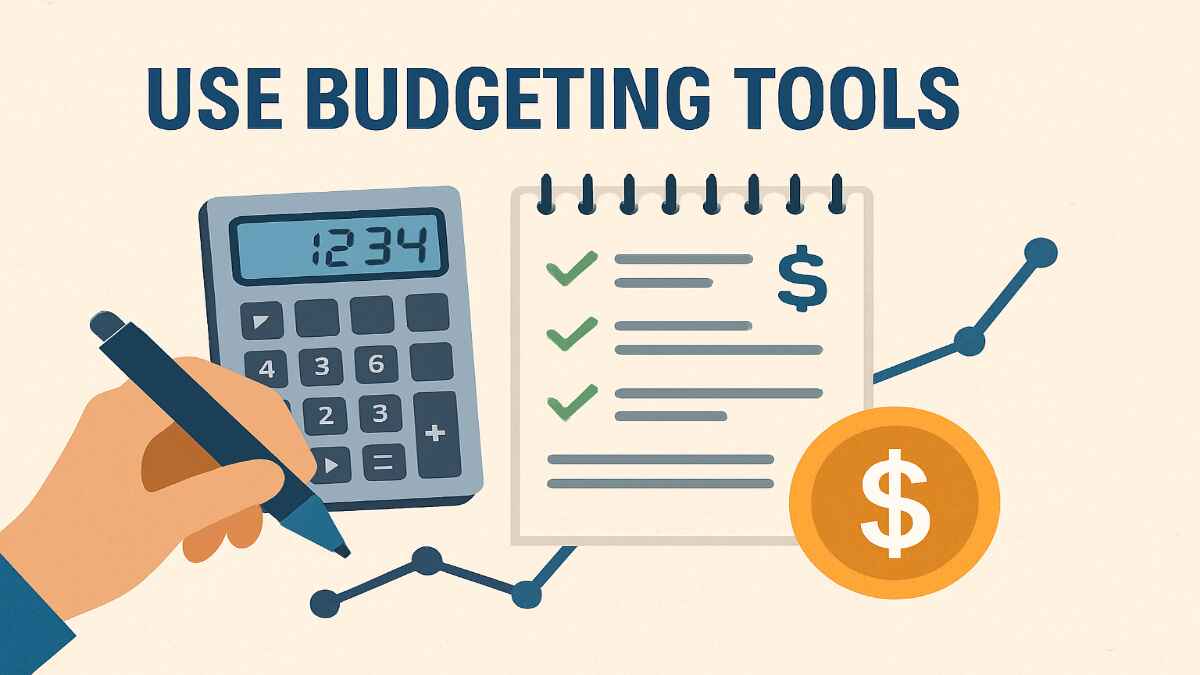
Technology can simplify budgeting. Use apps like:
- Coupl or Splitwise for tracking shared expenses.
- Google Sheets for a customized expense tracker.
- Moneycontrol or ET Money for managing investments and budgets in India.
Create a shared spreadsheet with columns for date, expense category, amount, and who paid. Update it regularly to maintain transparency.
Regular Financial Discussions
Schedule monthly “money dates” to review your budget, discuss upcoming expenses, and adjust your plan. For example, if you overspent on dining out, you might cut back on entertainment the next month. These discussions keep you aligned and prevent financial surprises.
Managing Expenses
Deciding who pays which bills and how to track expenses is crucial for smooth financial management.
Decide Who Pays What
There are several ways to split expenses:
- 50-50 Split: Each partner contributes equally to shared expenses, ideal for couples with similar incomes.
- Proportional Split: Contribute based on income ratios. For example, if one earns ₹80,000 and the other ₹20,000, split expenses 80:20.
- Assigned Bills: One partner pays rent, while the other covers utilities and groceries.
Discuss what feels fair and practical. For instance, many Indian couples assign the higher earner to cover major expenses like EMIs, while the other handles smaller bills.
Automate Bill Payments
Set up automatic payments for recurring bills like rent, utilities, and loan EMIs through your bank’s online banking or UPI apps like Google Pay or PhonePe. This ensures timely payments and avoids late fees, which is especially important for maintaining a good credit score.
Track Expenses
Use a shared expense tracker to monitor spending. Apps like Axio or Walnut are popular in India for categorizing expenses and providing insights. Alternatively, a simple Google Sheet with columns for date, category, amount, and payer works well. Regular tracking helps you identify overspending and adjust your budget.
Saving and Investing

Saving and investing are critical for building wealth and securing your future as a couple. Here’s how to approach it.
Set Up an Emergency Fund
An emergency fund covers unexpected expenses like medical emergencies or job loss. Aim to save 3-6 months’ worth of living expenses in a liquid account, such as a savings account or fixed deposit. For example, if your monthly expenses are ₹50,000, save ₹1.5-3 lakh.
Invest for the Future
Investing helps your money grow over time. Popular options in India include:
- Mutual Funds: Start Systematic Investment Plans (SIPs) for long-term goals like retirement or buying a home.
- Public Provident Fund (PPF): A safe, tax-saving option with guaranteed returns.
- National Pension System (NPS): Ideal for retirement planning with tax benefits.
- Stocks or Real Estate: Higher-risk options for wealth creation, suitable if you’re financially literate.
Consult a financial advisor to choose investments aligned with your risk tolerance and goals.
Life Insurance
Life insurance is crucial, especially if you have dependents or loans. Term insurance is recommended, with coverage of 10-20 times your annual income. For example, if you earn ₹10 lakh annually, aim for ₹1-2 crore in coverage. This ensures your spouse is financially secure if something happens to you. Companies like LIC, HDFC Life, or Max Life offer affordable term plans in India.
Handling Income Disparity
Income disparity is common among couples, especially in India, where one partner may earn significantly more or one may be a homemaker. Here’s how to manage it fairly.
Proportional Splitting
Split shared expenses based on income ratios to ensure fairness. For example, if one partner earns ₹1,00,000 and the other ₹50,000, contribute 2:1 to joint expenses. This prevents the lower earner from feeling burdened.
Maintain Financial Independence
Even with income disparity, both partners should have some financial autonomy. Use separate accounts for personal spending, allowing each to enjoy hobbies or small purchases without guilt. For example, transfer a fixed “personal allowance” to individual accounts after contributing to the joint account.
Open Communication
Discuss how income disparity affects your financial decisions. If one partner feels they’re contributing too much, address it openly to avoid resentment. Transparency ensures both partners feel valued.
Financial Transparency and Trust
Trust is the cornerstone of a successful marriage, and financial transparency is a big part of it.
Be Honest About Money
Never hide debts, large purchases, or income from your partner. Financial infidelity—lying about money—can damage trust and lead to conflicts. For example, if you’ve taken a personal loan, disclose it early and plan repayments together.
Regular Check-Ins
Schedule weekly or monthly check-ins to review your finances. Discuss upcoming expenses, savings progress, and any concerns. This keeps both partners informed and prevents misunderstandings.
Avoid Financial Infidelity
Hiding purchases, secret accounts, or undisclosed debts can erode trust. If you’ve made a financial mistake, admit it and work together to fix it. If trust issues persist, consider consulting a financial counselor.
Cultural Considerations in India
Managing finances in India comes with unique cultural and legal considerations that newly married couples should address.
Supporting Extended Family
In India, many couples support parents, siblings, or grandparents financially. Discuss these responsibilities openly and include them in your budget. For example, set aside a fixed amount monthly for parental support, ensuring it doesn’t strain your other goals.
Tax Benefits and Joint Loans
Joint loans, like home loans, offer tax benefits under Section 80C (principal repayment) and Section 24D (interest deduction) of the Income Tax Act. If both partners are working, co-applying for a loan can reduce interest rates and increase eligibility. For example, banks like SBI or HDFC offer favorable terms for joint applicants.
Financial Literacy
Both partners should be financially literate to make informed decisions. If one partner is less experienced, encourage learning through resources like Moneycontrol, Zerodha Varsity, or financial planning workshops. Understanding concepts like budgeting, investing, and insurance empowers both of you.
Practical Tips from Real Indian Couples
Learning from other couples can provide practical insights. Based on discussions from Indian couples (e.g., Reddit’s r/personalfinanceindia), here are common practices:
- Joint Accounts for Shared Expenses: Many dual-income couples transfer 50-60% of their salaries to a joint account for bills, EMIs, and groceries, keeping the rest for personal use.
- Expense Tracking: Use Google Sheets or apps like Axio to track expenses transparently. One couple shared a sheet with columns for date, category, amount, and payer, updated monthly.
- Proportional Contributions: Couples with income disparity often split expenses by ratio (e.g., 70:30 if one earns more).
- Family Support: Many allocate a fixed amount for parents or siblings, discussed openly to avoid conflicts.
- Investments: One partner might manage investments (e.g., mutual funds or stocks), but both discuss major decisions.
These real-world tips show that communication and flexibility are key to managing finances as a newly married couple.
FAQs
How should we decide between separate or joint accounts?
The choice depends on your comfort with sharing finances. Separate accounts offer independence, joint accounts simplify shared expenses, and a combination balances both. Discuss what feels fair and practical for your relationship.
What if one partner earns significantly more?
Split expenses proportionally based on income (e.g., 70:30 if one earns more). Maintain separate accounts for personal spending to ensure both partners have financial autonomy.
Is life insurance necessary for both partners?
Yes, especially if you have dependents or loans. Term insurance with 10-20 times your annual income provides financial security for the surviving spouse.
How can we manage supporting our parents financially?
Discuss and budget for family support, setting aside a fixed amount monthly. Be transparent about these expenses to avoid strain on your joint goals.
What are good budgeting apps for couples in India?
Apps like Coupl, Splitwise, Moneycontrol, or Google Sheets are great for tracking shared expenses and maintaining transparency.
How often should we review our finances?
Monthly reviews are ideal to track spending, adjust budgets, and discuss goals. Weekly check-ins can help for smaller expenses.
Can joint loans save us money?
Yes, joint loans offer tax benefits under Section 80C and 24D, and banks may provide lower interest rates for co-applicants, especially if both are working.
Conclusion
Managing finances as a newly married couple in India is about teamwork, trust, and planning. By understanding each other’s financial habits, setting shared goals, choosing the right account structure, budgeting wisely, and saving for the future, you can create a secure financial foundation. Cultural factors like supporting family and leveraging tax benefits add unique considerations, but with open communication, you can navigate them successfully.
Start small, be patient, and keep the lines of communication open. Whether you’re saving for a home, planning for a family, or investing for retirement, working together will help you achieve your dreams. Here’s to a financially harmonious marriage!
Disclaimer: Moneyjack.in provides general financial information for educational purposes only. We are not financial advisors. Content is not personalized advice. Consult a qualified professional before making financial decisions. We are not liable for any losses or damages arising from the use of our content. Always conduct your own research.