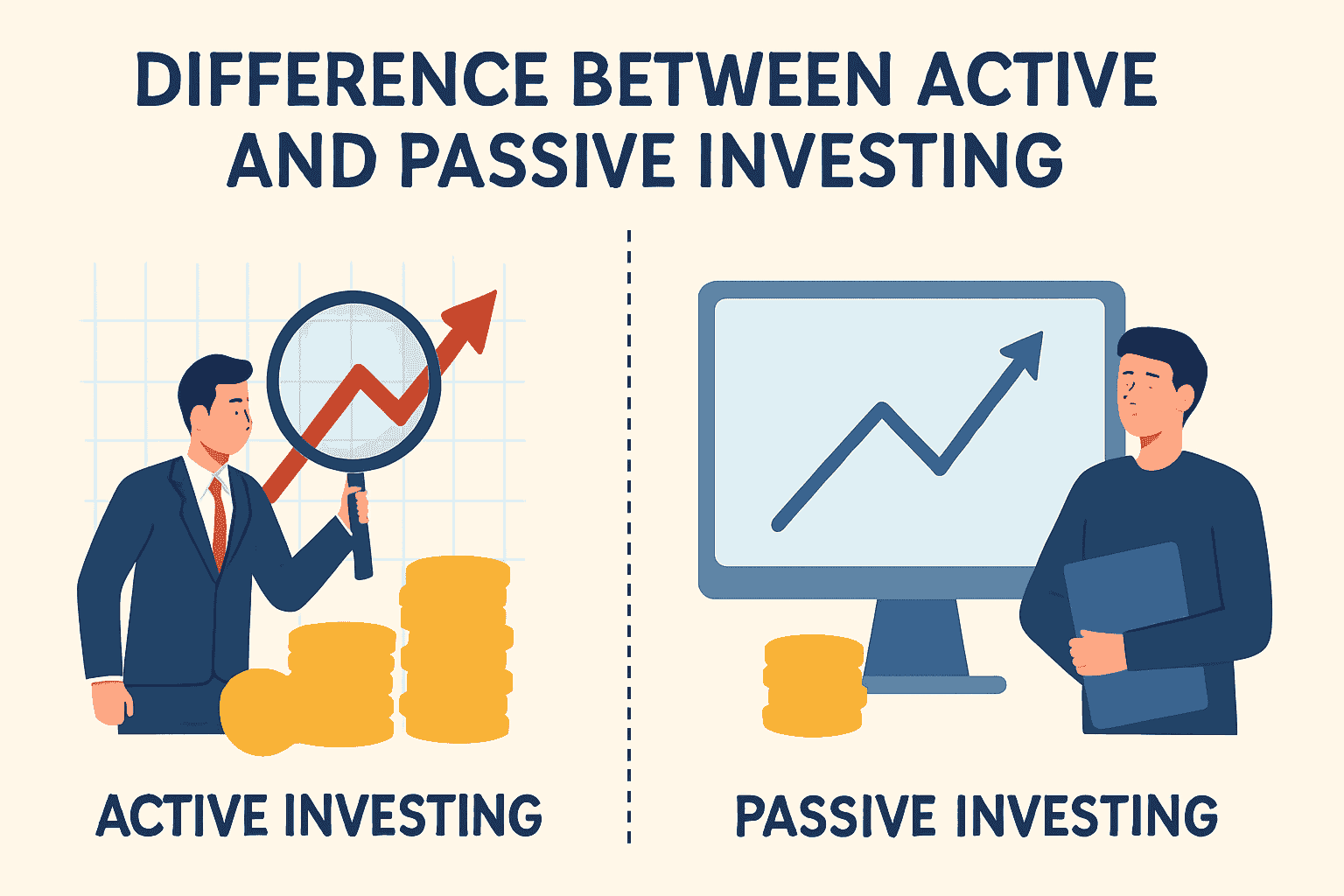
Hey there! If you’re dipping your toes into the world of investing, especially here in India where the stock market is buzzing with opportunities, you’ve probably heard about active and passive investing. But what’s the real difference between active and passive investing? In this article, we’ll break it down in simple terms, like chatting over a cup of chai. Whether you’re a newbie saving for your first home or a seasoned investor eyeing retirement, understanding the difference between active and passive investing can help you make smarter choices with your hard-earned money.
Investing in India has exploded in recent years, thanks to apps like Groww, Zerodha, and Upstox making it easy for anyone to start. But with so many options, it’s crucial to know the core difference between active and passive investing. Active investing is like being the captain of your ship, constantly adjusting sails to beat the waves, while passive investing is more like setting a course and letting the wind do the work. We’ll dive deep into both, compare them head-to-head, and even touch on how they play out in the Indian market. By the end, you’ll have a clear picture of the difference between active and passive investing and which might suit your style.
Table of Contents
What is Active Investing?
Let’s start with active investing. Imagine you’re at a bustling Mumbai street market, haggling for the best deals. That’s active investing in a nutshell – you’re actively picking stocks, bonds, or funds, trying to outsmart the market and score higher returns. Fund managers or individual investors research companies, analyze trends, and make frequent buys and sells based on predictions.
In India, active investing often involves mutual funds where a professional manager calls the shots. Think of funds from HDFC Mutual Fund or SBI Mutual Fund that aim to beat benchmarks like the Nifty 50 or Sensex. The goal? To generate alpha, which is basically returns above what the market averages.
But why choose active? Well, the difference between active and passive investing shines here because active strategies can potentially deliver big wins during volatile times, like the post-COVID market rally in India. Managers might spot undervalued gems in sectors like IT or pharma and capitalize on them before everyone else does.
Active investing requires time and expertise. If you’re doing it yourself via direct stock picking on the NSE or BSE, you’ll need to stay glued to news from CNBC Awaaz or Economic Times. Tools like fundamental analysis (checking P/E ratios, earnings reports) and technical analysis (chart patterns) are your best friends. However, this approach comes with higher costs – think management fees around 1-2% for mutual funds in India, plus transaction charges that can eat into profits.
One real-world example in India is how active funds navigated the 2020 crash. Managers who quickly shifted to defensive stocks like Reliance or Infosys helped their portfolios recover faster than the broader market. This highlights a key difference between active and passive investing: active allows for agility in uncertain times.
Pros and Cons of Active Investing
Active investing isn’t all sunshine. Let’s weigh the good and bad to better understand the difference between active and passive investing.
On the plus side, the potential for higher returns is huge. In bull markets, skilled managers can outperform indices by 5-10% or more. Flexibility is another win – you can avoid sectors hit by regulations, like how banking stocks suffered from RBI’s NPA crackdowns. Tax benefits in India, such as long-term capital gains tax at 12.5% for equities held over a year, apply here too.
But cons? High costs are a biggie. Expense ratios for active equity funds in India average 1.5-2.5%, compared to much lower for passives. There’s also the risk of underperformance – studies show most active funds fail to beat the market over 10+ years. In India, SPIVA reports indicate about 70% of large-cap active funds underperform the S&P BSE 100 over five years.
Emotional bias creeps in too. Investors might chase hot stocks like Adani or Tata during hype, only to face losses. This emotional rollercoaster is a stark difference between active and passive investing, where passive is more set-it-and-forget-it.
What is Passive Investing?
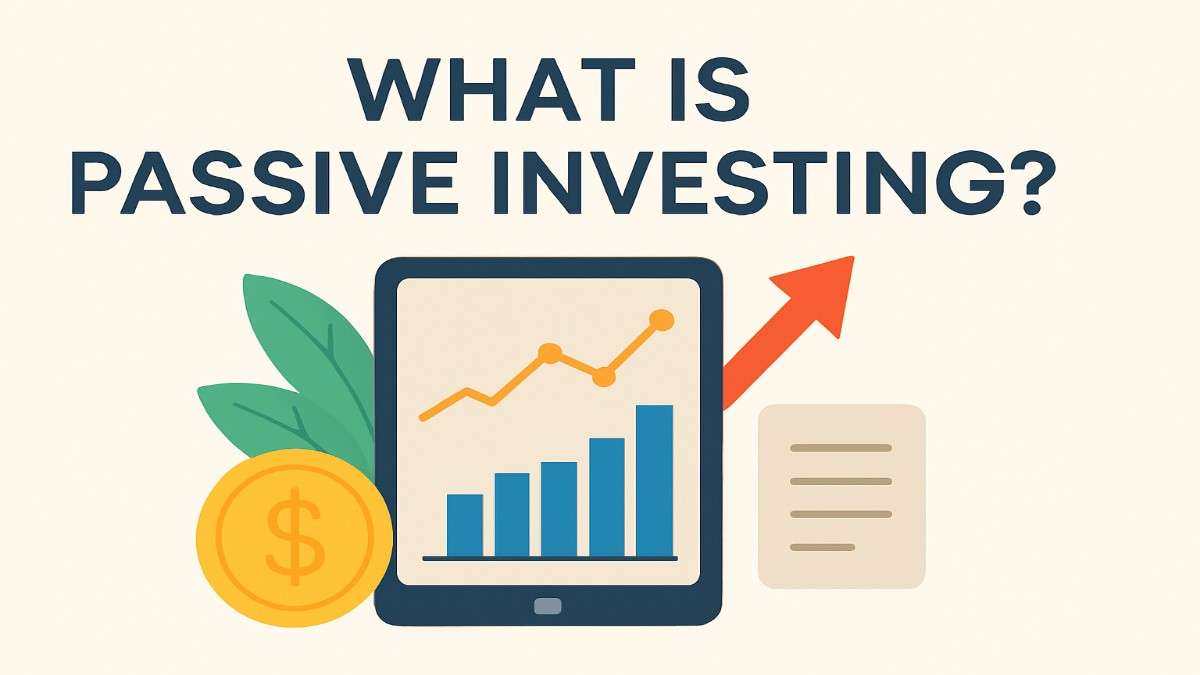
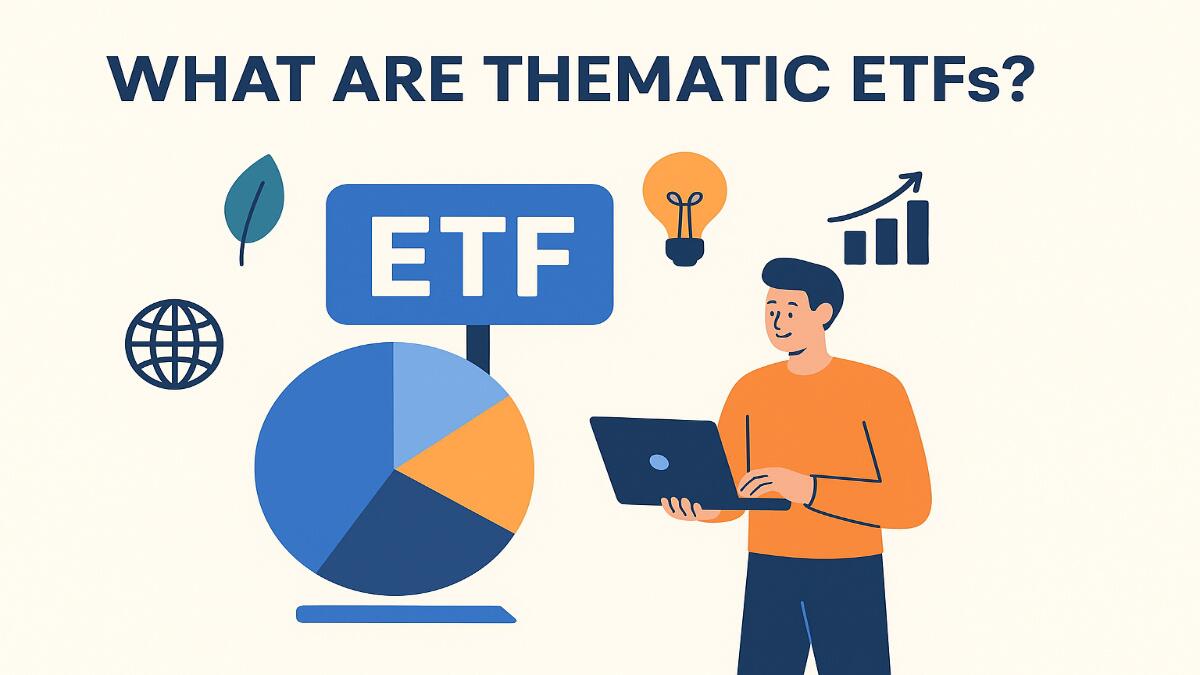
Now, flip the coin to passive investing. This is like autopilot mode – you invest in funds that mirror market indices without trying to beat them. Think ETFs (Exchange-Traded Funds) or index funds that track the Nifty 50, Sensex, or even global indices like the Nasdaq.
In India, passive investing has surged with funds from UTI or ICICI Prudential offering low-cost options. The idea? The market as a whole grows over time, so why not ride the wave instead of fighting it? Pioneered by legends like John Bogle of Vanguard, passive strategies believe in efficient markets where it’s hard to consistently outperform.
A classic example is the Nippon India ETF Nifty Bees, which simply replicates the Nifty 50. No stock picking, no frequent trades – just buy and hold. This simplicity is a major difference between active and passive investing, making it ideal for busy professionals in cities like Bangalore or Delhi who don’t have time for daily market watches.
Passive investing shines in long-term wealth building. With India’s economy projected to grow at 7% annually, indices like the Nifty have delivered 12-15% CAGR over decades. Plus, it’s diversified – one fund gives exposure to top 50 companies across sectors.
Pros and Cons of Passive Investing
To grasp the difference between active and passive investing, let’s look at passive’s strengths and weaknesses.
Pros first: Low costs! Expense ratios for Indian ETFs are as low as 0.05-0.5%, saving you thousands over time. Simplicity – no need for expert analysis; just invest via SIPs (Systematic Investment Plans) and let compounding work. Diversification reduces risk; if one stock like Yes Bank tanks, the index balances it out.
Transparency is another plus – you know exactly what’s in the fund. And historically, passives outperform most actives long-term due to lower fees. In India, during steady growth phases like 2010-2020, passive funds matched or beat actives without the hassle.
Cons? No chance for outsized gains. If the market crashes, your passive fund crashes too – no manager to cushion the blow. Limited customization; you can’t avoid sectors you dislike. In volatile Indian markets influenced by FII flows or elections, this lack of intervention is a clear difference between active and passive investing.
Also, tracking error can occur if the fund doesn’t perfectly mimic the index due to liquidity issues in smaller stocks.
Key Difference Between Active and Passive Investing
Alright, let’s get to the heart: the core difference between active and passive investing.
First, approach: Active is hands-on, aiming to beat the market through selection and timing. Passive is hands-off, aiming to match the market.
Costs: Active is pricier with higher fees; passive is budget-friendly.
Risk and returns: Active offers potential for higher returns but with higher risk of underperformance. Passive provides market-average returns with lower risk via diversification.
Time commitment: Active demands constant monitoring; passive is low-maintenance.
In India, regulatory aspects differ too. SEBI mandates active funds to disclose portfolios monthly, while passives are more straightforward.
Performance-wise, the difference between active and passive investing is evident in data. Over 10 years, the Nifty 50 TRI has returned about 14%, and most active large-cap funds hover around that after fees.
Market conditions play a role. In bull runs, active might shine; in efficient markets, passive wins.
Active vs. Passive in the Indian Context
India’s market is unique, influencing the difference between active and passive investing. With high growth but volatility from monsoons, politics, and global cues, active managers can exploit inefficiencies in mid-caps or small-caps where info isn’t as widespread.
For instance, during demonetization in 2016, active funds that pivoted to digital stocks like Paytm (pre-IPO vibe) outperformed. But passive funds tracking broader indices recovered steadily without drama.
Passive is gaining traction in India. Assets under management for ETFs crossed Rs 7 lakh crore in 2023, up from Rs 1 lakh crore in 2018. Why? Educated millennials prefer low-cost, tech-driven investing via apps.
Taxation is similar for both – equity funds over a year get LTCG tax. But active might trigger more short-term trades, hitting you with 20% STCG.
For NRIs or expats in India, passive is easier due to less paperwork.
Choosing depends on your goals. For retirement via EPF or NPS (which has passive options), passive suits. For aggressive growth, active in sectoral funds like pharma during COVID.
When to Choose Active Investing
The difference between active and passive investing matters when deciding. Go active if you believe in manager expertise, have a high-risk appetite, and can afford fees. In India, if you’re bullish on specific themes like EV or renewables, active thematic funds from Axis or Mirae Asset let you target them.
Active works well in inefficient markets. India’s small-cap segment, with less analyst coverage, offers opportunities for alpha.
But beware: Only 20-30% of active funds consistently beat benchmarks. Research via Value Research or Morningstar before diving in.
When to Choose Passive Investing
Passive is your pick for the difference between active and passive investing if you want simplicity and long-term growth. Ideal for beginners or those with limited time. In India, start with Nifty 50 index funds for broad exposure.
It’s great for rupee-cost averaging via SIPs, smoothing out volatility. During market dips like 2022’s inflation scare, passives bought low automatically.
Passive also aligns with behavioral finance – avoiding the pitfalls of overtrading.
Blending Active and Passive: The Core-Satellite Approach
Why choose one? Many Indians use a hybrid. Core portfolio passive (70-80%) for stability, satellite active (20-30%) for alpha. This minimizes the difference between active and passive investing’s downsides.
For example, core in Nifty ETF, satellite in mid-cap active fund.
Common Myths About the Difference Between Active and Passive Investing
Myth 1: Active always beats passive. Nope – data shows otherwise long-term.
Myth 2: Passive is risk-free. No, market risk applies.
Myth 3: Active is only for pros. DIY via stocks is possible, but tough.
In India, another myth: Passive doesn’t work in emerging markets. But indices have compounded well.
Future Trends in Active and Passive Investing in India
Looking ahead, passive will grow with more ETF launches, like gold or international ones. Active might focus on ESG or AI-driven strategies.
SEBI’s push for transparency benefits both.
The difference between active and passive investing will evolve with tech, like robo-advisors blending them.
Real-Life Case Studies from India
Take Rakesh Jhunjhunwala, the ‘Big Bull’ – his active stock picking made billions, showing active’s potential.
Conversely, millions via index funds have built wealth steadily without fame.
During 2023’s Adani crisis, active managers who avoided it protected portfolios, unlike passives.
How to Get Started with Investing in India

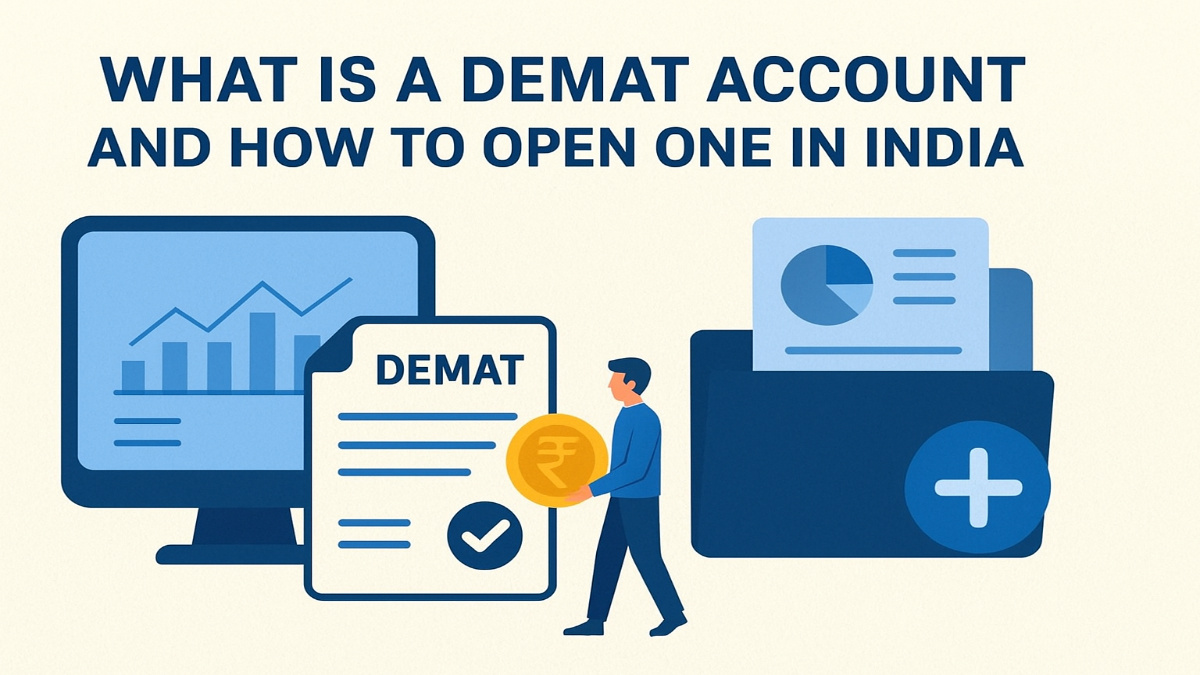
To bridge the difference between active and passive investing, open a demat account, KYC, and start small.
For passive: Buy UTI Nifty Index Fund.
For active: Research top-rated funds on AMFI site.
Always diversify and consult a SEBI-registered advisor.
Tax Implications in India
Both face similar taxes, but active’s frequent trades might increase liability. Use ELSS for tax-saving under 80C.
Role of Technology in Narrowing the Gap
Apps like Paytm Money offer both, with AI insights reducing the difference between active and passive investing.
Behavioral Aspects: Why Investors Choose One Over the Other
Psychology plays a role. Overconfident folks lean active; patient ones, passive.
In India, FOMO during IPO booms drives active.
Global Perspective: How India Compares
Globally, passive dominates US with Vanguard’s trillions. India is catching up, but active still rules due to growth potential.
This highlights a cultural difference between active and passive investing preferences.
Conclusion: Making the Right Choice for You
So, what’s the ultimate difference between active and passive investing? It’s about your involvement, risk tolerance, and goals. In India, with its dynamic economy, both have a place. Start small, learn, and adjust. Remember, investing is a marathon, not a sprint.
If you’re unsure, a financial planner can help tailor it to your needs.
FAQ:-
What is the main difference between active and passive investing?
The main difference between active and passive investing is that active involves selecting investments to outperform the market, while passive aims to match market returns through index tracking.
Which is better for beginners in India, active or passive investing?
Passive investing is often better for beginners due to its simplicity, lower costs, and lower risk, making it easier to start with funds like Nifty ETFs.
Can active investing generate higher returns than passive?
Yes, active investing can potentially generate higher returns if the manager or investor makes smart choices, but it also carries higher risks and fees compared to passive.
What are the costs involved in active vs. passive investing in India?
Active funds typically have expense ratios of 1-2.5%, while passive funds like ETFs are around 0.05-0.5%, highlighting a key cost difference between active and passive investing.
Is passive investing suitable for the Indian stock market?
Absolutely! With India’s growing economy, passive investing in indices like Sensex has delivered solid long-term returns, though it doesn’t protect against short-term volatility.
Disclaimer: Moneyjack.in provides general financial information for educational purposes only. We are not financial advisors. Content is not personalized advice. Consult a qualified professional before making financial decisions. We are not liable for any losses or damages arising from the use of our content. Always conduct your own research.