In today’s fast-paced digital world, credit cards offer convenience and purchasing power like never before. However, they also come with the risk of falling into credit card debt traps that can severely affect your financial health. In India, this problem is growing rapidly due to a lack of awareness and financial discipline. This guide will help you understand how to avoid credit card debt traps and take control of your financial future.
Table of Contents
Understanding the Credit Card Debt Trap
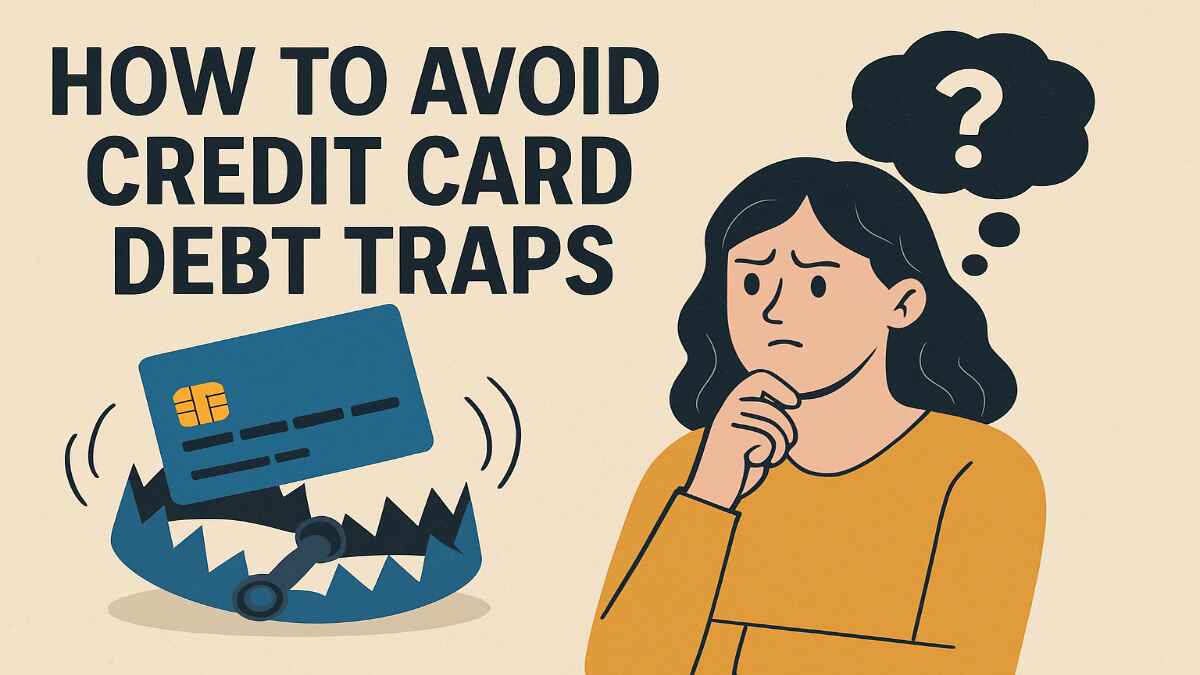
A credit card debt trap occurs when a user continuously rolls over unpaid credit card bills, leading to mounting interest, late payment fees, and a cycle of debt that becomes difficult to escape. These traps are subtle but can grow dangerously over time.
In India, where credit usage is rising, many people fall into this trap due to impulsive spending, minimum payments, and poor budgeting.
Top Reasons Why People Fall into the Credit Card Debt Trap
1. Paying Only the Minimum Amount Due
One of the biggest mistakes we can make is to pay only the minimum due amount. It may seem like a relief, but in reality, the unpaid amount continues to accrue interest—often at rates as high as 36% per annum.
2. Impulsive and Unplanned Spending
With credit cards in hand, it’s easy to make spontaneous purchases. But without tracking expenses, the credit card bill can spiral out of control before you even realize it.
3. Overdependence on Credit
Many individuals use credit cards to cover monthly expenses or pay other EMIs. This creates a false sense of affordability and leads to over-leveraging.
4. Lack of Financial Awareness
Not understanding the credit card terms, such as interest rates, billing cycles, or late payment penalties, leads people straight into debt traps.
5. Ignoring Due Dates
Late payments mean high penalties and reduced credit scores. Missing due dates consistently can turn manageable dues into unbearable debts.
Smart Ways to Avoid Credit Card Debt Traps in India
1. Always Pay the Full Outstanding Amount
To completely avoid interest, always pay the full credit card bill before the due date. This not only saves money on interest but also builds a strong credit history.
2. Create a Monthly Credit Card Budget
Before you swipe, decide how much you can afford to spend on your card. Keep your credit spending within that limit to stay financially disciplined.
3. Use Credit Cards Only for Planned Purchases
Avoid impulsive buying. Use your card for planned, necessary expenses that you can repay easily within the billing cycle.
4. Track Your Credit Card Expenses Weekly
Keep a regular check on your expenses through your bank’s app or credit card portal. This ensures you don’t overspend and lets you adjust your budget if needed.
5. Set Automatic Reminders for Bill Payments
Use SMS alerts, mobile apps, or your phone’s calendar to remind you about upcoming due dates to avoid late payment charges.
6. Don’t Use Credit Cards for Cash Withdrawals
Cash withdrawals on credit cards attract immediate interest and additional fees. This should be your last resort, only used in emergencies.
7. Avoid Using Multiple Credit Cards
Handling too many cards increases the chance of forgetting payment due dates and overspending. Stick to one or two cards that suit your lifestyle best.
8. Choose a Credit Card with Low Interest Rate
Compare various credit card options available in India. Choose one with a low annual percentage rate (APR) and minimum hidden charges.
9. Avoid EMI Conversions Unless Absolutely Necessary
Though EMI conversions look attractive, they come with processing fees and interest costs. Consider whether the purchase is really necessary.
10. Build an Emergency Fund
Having an emergency fund prevents you from using your credit card in a crisis. Aim to save at least 3–6 months of expenses.
What to Do If You’re Already in a Credit Card Debt Trap
1. Stop Using the Card Immediately
Avoid further purchases on the card until you have cleared the existing balance. Using it further only worsens the problem.
2. Convert Big Dues into EMIs
If your balance is too high, ask your bank to convert it into manageable EMIs. This helps you pay off over time at lower interest rates.
3. Take a Personal Loan to Clear Card Debt
Personal loans generally have lower interest than credit cards. You can consider using one to consolidate your credit card debt.
4. Prioritize High-Interest Cards First
If you have multiple cards, pay off the one with the highest interest rate first while making minimum payments on others.
5. Consult a Financial Advisor
If you’re overwhelmed, it’s wise to consult a financial expert to create a debt repayment strategy tailored to your income and liabilities.
Building Healthy Credit Card Habits
- Use credit cards only when needed.
- Track your credit utilization ratio (keep it below 30% of your limit).
- Pay bills in full and on time.
- Review your statement every month to spot unauthorized charges.
- Reward yourself for staying debt-free.
Impact of Credit Card Debt on Your Financial Life
Falling into a credit card debt trap affects more than just your wallet:
- Credit Score Damage: Missed or late payments harm your CIBIL score, making future loans harder to get.
- Mental Stress: Constant calls from recovery agents and mounting debt can cause serious emotional strain.
- Loan Rejection: A bad credit history limits your eligibility for home loans, personal loans, and even job opportunities in the finance sector.
Credit Card Traps to Watch Out for in India
- Zero Interest Offers that come with hidden processing fees.
- Buy Now, Pay Later schemes with strict repayment conditions.
- Cashback Offers that make you spend more than needed.
- Annual Fee Waivers that require spending above a threshold.
Be careful—if it sounds too good to be true, it probably is.
FAQs
Is it bad to use a credit card for every purchase?
Not necessarily. If you pay the full bill on time and stay within budget, it can actually build your credit score.
What happens if I keep paying the minimum amount only?
You will fall into a debt trap due to compounding interest, and it could take years to clear the balance.
Should I cancel my credit card if I am in debt?
No. Canceling may hurt your credit score. Focus on clearing the debt first, then consider closing unused cards.
How can I get out of a credit card debt trap quickly?
Stop using the card, pay more than the minimum, consider a personal loan, and seek financial guidance if needed.
Are balance transfers a good idea?
Yes, if you’re offered a lower interest rate and you’re committed to repaying on time without accumulating more debt.
Final Thoughts
Avoiding the credit card debt trap in India requires awareness, discipline, and smart money habits. Credit cards are powerful tools when used responsibly. Stay informed, spend wisely, and always aim to live within your means. Don’t let the convenience of a plastic card turn into a lifelong financial burden.
If you’re already stuck in a trap, take action today—because every day of delay costs you more in interest and lost peace of mind.
Use credit to your advantage—not your downfall.
Disclaimer: Moneyjack.in provides general financial information for educational purposes only. We are not financial advisors. Content is not personalized advice. Consult a qualified professional before making financial decisions. We are not liable for any losses or damages arising from the use of our content. Always conduct your own research.