Hey there! If you’re in India and dealing with loans, credit cards, or any kind of borrowing, you’ve probably heard about the CIBIL report. It’s like your financial report card that banks and lenders look at before deciding if they want to lend you money. But honestly, when you first get your hands on one, it can feel overwhelming—like trying to decode a secret language.
Don’t worry, though; I’m here to break it down for you in simple terms. In this guide, we’ll walk through how to read your CIBIL report step by step, so you can understand every part of it without any confusion. By the end, you’ll feel confident navigating it, spotting issues, and even improving your credit health.
CIBIL, which stands for Credit Information Bureau (India) Limited, is one of the main credit bureaus in India, and it’s now part of TransUnion. Your CIBIL report is basically a summary of your credit history, including how you’ve handled loans and credit cards in the past. Lenders report this info to CIBIL every month, and it gets compiled into this report.
Knowing how to read your CIBIL report is crucial because it directly affects your ability to get loans at good interest rates, or even get approved at all. In India, where credit is becoming more common for everything from buying a home to getting a smartphone on EMI, mastering this can save you a lot of hassle and money.
Let’s start with the basics. Why should you care about how to read your CIBIL report? Well, imagine applying for a home loan and getting rejected because of something you didn’t even know was wrong in your report. Or paying higher interest because your score looks low due to a simple error. According to the Reserve Bank of India (RBI), credit bureaus like CIBIL play a big role in the financial system, helping reduce risks for lenders.
But as a consumer, you have the right to access your report once a year for free, and it’s smart to check it regularly. In this article, we’ll cover everything from getting your report to interpreting each section, with tips tailored for Indian users. Stick with me, and you’ll see how to read your CIBIL report like a pro.
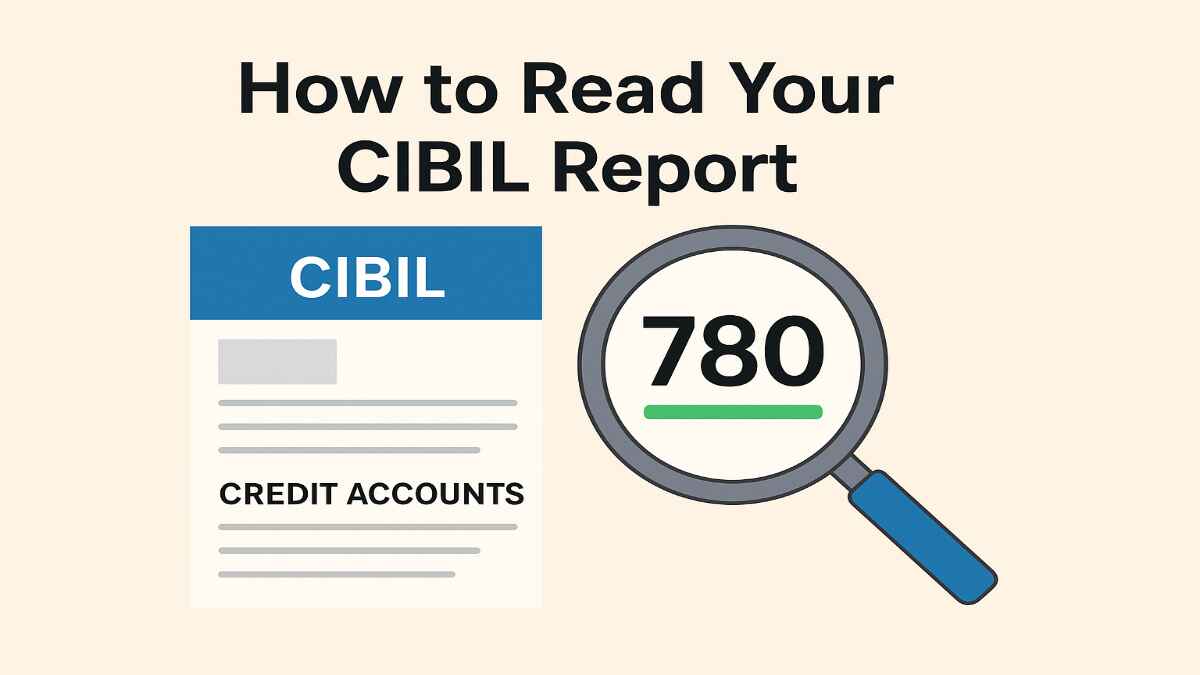
First things first: what exactly is a CIBIL report? It’s not just a score; it’s a detailed document that includes your personal details, credit accounts, payment history, and inquiries made by lenders. The report is divided into several sections, each providing insights into different aspects of your credit life. Learning how to read your CIBIL report means understanding these sections and what they say about you financially. For instance, if you’re planning to buy a car on loan in Mumbai or apply for a credit card in Delhi, lenders will pull this report to assess your risk. A good understanding can help you fix errors before they hurt your chances.
Now, before we dive into the sections, let’s talk about how to get your CIBIL report. It’s easy and can be done online through the official TransUnion CIBIL website. You’ll need your PAN card, date of birth, and some basic info to verify your identity. Once you pay a small fee (or get it free annually), the report is emailed to you as a PDF. Make sure you’re using the official site to avoid scams—there are plenty of fake ones out there promising free reports but stealing your data. Once you have it, open it up, and let’s start learning how to read your CIBIL report.
Table of Contents
What is a CIBIL Report and Why Does It Matter?
To really grasp how to read your CIBIL report, you need to know what it represents. Think of it as your credit biography. It records every loan you’ve taken, every credit card payment, and even how many times lenders have checked your credit. In India, CIBIL was the first credit bureau, starting in 2000, and it holds data on millions of people. Your report is updated whenever a lender reports new info, which is usually monthly.
Why does it matter? In a country like India, where the credit market is growing fast—with more people using credit for education, homes, and businesses—a poor report can block your progress. For example, if your score is below 700, banks might charge you higher interest or reject your application outright. On the flip side, a high score can get you better deals. Learning how to read your CIBIL report helps you spot what’s dragging your score down, like late payments or too many loans.
The RBI mandates that credit bureaus provide accurate info, and you can dispute errors for free. So, regularly checking and understanding how to read your CIBIL report is like maintaining your car’s engine—it keeps things running smoothly. Many Indians don’t realize that even small things, like forgetting to pay a credit card bill on time, can stay on your report for up to seven years.
How to Obtain Your CIBIL Report in India
Before you can learn how to read your CIBIL report, you need to get it. Here’s a simple guide for Indians. Visit www.cibil.com or the TransUnion CIBIL app. Click on “Get Your CIBIL Score” and fill in your details like name, PAN, email, and phone. Verify with an OTP, and choose to pay (around Rs. 550 for the full report with score) or get the free annual one. The report arrives in your email within minutes.
If you’re in a rural area or prefer offline, you can request it via post, but online is faster. Remember, other bureaus like Experian or Equifax also provide reports, but CIBIL is the most widely used in India. Once you have it, print it out or zoom in on your screen—now we’re ready to explore how to read your CIBIL report section by section.
Breaking Down the Sections: Personal Information
One of the first things you’ll see when learning how to read your CIBIL report is the personal information section. This is at the top and includes your full name, date of birth, gender, and identification numbers like PAN, passport, voter ID, or driver’s license. It might list up to four addresses you’ve used in credit applications, plus phone numbers and email.
How do you interpret this? It’s all about accuracy. Lenders use this to verify who you are, so if there’s a typo—like your name spelled wrong or an old address—it could cause issues. For example, if your PAN is mismatched, it might link to someone else’s credit history by mistake. In India, where identity theft is rising, check this carefully.
Tips for this section in how to read your CIBIL report: Compare it with your Aadhaar or PAN card. If something’s off, dispute it online through CIBIL’s portal. It’s free, and they have 30 days to fix it. Many people skip this, but errors here can affect your entire report. Remember, this info comes from what you provided to lenders, so always double-check forms when applying for credit.
Expanding on this, let’s think about why personal info is key in how to read your CIBIL report. Suppose you’re Raj from Bangalore, and your report shows an address in Kolkata that you’ve never lived in. That could mean fraud or a reporting error. In India, with our diverse names and spellings, it’s common for mix-ups. Always ensure your details are consistent across all financial documents.
Contact and Employment Details in Your Report
Moving on in how to read your CIBIL report, you’ll find contact information, which lists your addresses, phones, and emails as reported by lenders. This might include residential, office, or permanent addresses. It’s similar to personal info but focuses on how lenders can reach you.
Interpretation is straightforward: Ensure it’s current. Outdated contacts can make it hard for lenders to verify you, delaying approvals. In the employment section, it shows your job title, employer, and sometimes income at the time of loan application. This isn’t always detailed, as not all lenders report income.
For Indians, this is important because job changes are common. If your report shows old employment, it might not reflect your current stability. When learning how to read your CIBIL report, note that this section helps lenders assess your repayment ability based on income and job.
Tips: Update your details with lenders if you’ve moved or changed jobs. This keeps your report accurate. Don’t ignore this part—it’s foundational for the rest of how to read your CIBIL report.
The Heart of It: Your CIBIL Score Explained

Now, the star of how to read your CIBIL report—the CIBIL score itself. It’s a three-digit number from 300 to 900, summarizing your creditworthiness. Higher is better; 750+ is good for most loans in India.
How to interpret: The score is calculated based on your payment history (35%), credit utilization (30%), credit mix (10%), length of credit history (15%), and new credit (10%). If it’s “NA” or “NH,” you might be new to credit or inactive.
In India, banks like SBI or HDFC prefer scores above 700. A low score could mean higher EMIs or rejection. When you look at how to read your CIBIL report, see the factors affecting your score, like late payments or high debt.
Detailed example: If your score is 650, it might be due to recent defaults. The report shows a graph or bands indicating approval chances—e.g., 80% of people with 800+ get loans easily.
Tips for this section in how to read your CIBIL report: Aim for 750+. Pay on time and keep credit card balances low. It’s not just a number; it’s your financial reputation.
Expanding, let’s dive deeper into score factors. Late payments hurt the most because they show unreliability. In India, with rising credit card usage, many young professionals see drops from missing due dates. Understanding this in how to read your CIBIL report can help you prioritize timely payments.
Decoding Account Information: The Most Detailed Part
This is where how to read your CIBIL report gets really interesting—and a bit complex. The account information section lists all your credit accounts, like loans and credit cards. For each, it shows the lender’s name, account number (partially masked), type (e.g., home loan, credit card), ownership (individual or joint), date opened, date closed (if applicable), credit limit or loan amount, current balance, and payment history.
Interpretation is key here. Payment history is shown as a string of codes over 36 months. “000” means paid on time, “XXX” means no data, and numbers like “030” mean 30 days past due (DPD). DPD stands for Days Past Due, tracking how late you were.
Account status codes include STD (Standard—good, payments on time), SUB (Sub-standard—over 90 days late), DBT (Doubtful—over 180 days late), and LSS (Loss—settled for less than owed). In India, seeing SUB or DBT is bad news, as it signals high risk to lenders.
For example, if you have a credit card with high utilization (say, 90% of limit used), it hurts your score. The report shows “High Credit” (max used) and “Amount Overdue.”
Tips for how to read your CIBIL report here: Look for patterns. Consistent “000” is great; any DPD over 30 needs fixing. Dispute if a closed loan shows open. This section can be long if you have many accounts, so take time.
Let’s break it further. Suppose you have a personal loan from ICICI Bank. The report lists the sanctioned amount, disbursed date, and monthly payments. If you see “SET” (settled), it means you negotiated a lower payoff, which isn’t as good as “closed” normally. In India, debt settlement is common but impacts future borrowing.
Another aspect in how to read your CIBIL report is the credit mix. Having both secured (like car loan) and unsecured (credit card) is ideal. Too many unsecured can lower your score because they’re riskier for lenders.
Payment history details: It’s backward, with recent months first. Count the “000”s to see your track record. If there’s a “WIL” (written off), it’s serious—the lender gave up on collecting, and it stays for seven years.
Common issues Indians face: EMI bounces due to low balance, leading to DPD. Always set auto-debit. When reading this in how to read your CIBIL report, calculate your total debt to see if you’re over-leveraged.
Understanding Enquiries in Your CIBIL Report

Next up in how to read your CIBIL report is the enquiries section. This lists all times a lender checked your credit, divided into hard and soft enquiries.
Hard enquiries happen when you apply for credit, like a loan, and they can slightly lower your score if too many in a short time. Soft ones are for pre-approvals or your own checks and don’t affect the score.
Interpretation: Too many hard enquiries (say, 5 in a month) look like you’re desperate for credit, scaring lenders. In India, during festive seasons, people shop for loans, leading to multiple pulls.
Each entry shows date, lender, and type (e.g., personal loan). Limit to 2-3 per year.
Tips: Space out applications. Check your own report (soft) anytime. This section in how to read your CIBIL report shows if unauthorized checks happened—dispute them.
For example, if you see an enquiry from a bank you never approached, it could be identity theft, common in urban India.
Tips for Effectively Reading and Using Your CIBIL Report
Now that you know the sections, here are practical tips on how to read your CIBIL report. Start from the top: Verify personal info, then score, accounts, and enquiries. Use a highlighter for issues.
Common mistakes: Ignoring small DPDs—they add up. Not disputing errors—do it online with proof like bank statements.
In India, with digital banking, use apps like CIBIL’s to monitor. Check every 3-6 months, especially before big loans.
To improve: Pay bills on time, reduce debt, avoid new credit if score is low. Build history with a secured card if new.
Common Myths About CIBIL Reports Debunked
Many myths surround how to read your CIBIL report. Myth: Checking your own score hurts it—false, it’s soft. Myth: Closing old cards helps—actually, it shortens history, hurting score.
In India, some think salary affects score directly—no, it’s based on credit behavior. Understanding these in how to read your CIBIL report prevents bad decisions.
How to Improve Your CIBIL Score Based on Your Report
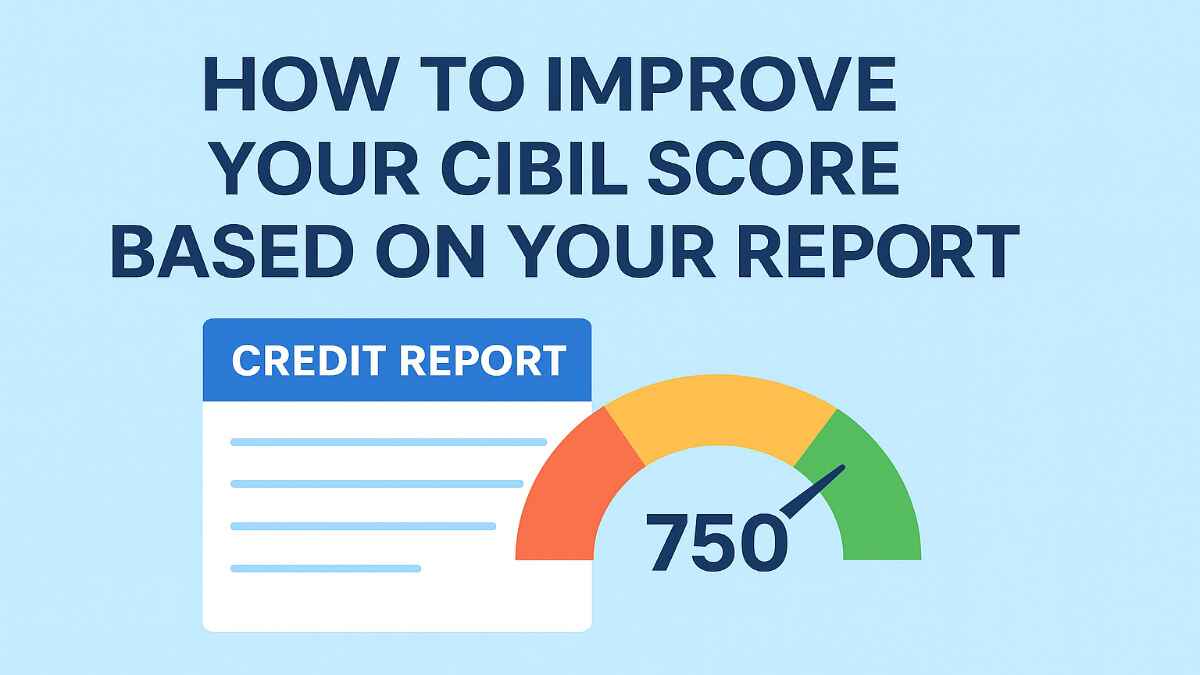
Using insights from how to read your CIBIL report, improve by fixing errors first. Then, pay overdue amounts. Keep utilization below 30%. Diversify credit but don’t overdo.
In India, programs like credit builder loans help. Patience is key—improvements take 3-6 months.
Conclusion: Master How to Read Your CIBIL Report Today
There you have it—a complete guide on how to read your CIBIL report. It’s not scary once broken down. Regularly reviewing it empowers you financially in India. Start today, and watch your credit health soar.
FAQ
What is a CIBIL report?
A CIBIL report is a detailed summary of your credit history in India, including loans, payments, and score.
How often should I check my CIBIL report?
At least once a year for free, but every 3 months if active with credit.
What does DPD mean in my CIBIL report?
DPD stands for Days Past Due, showing how many days late a payment was.
Can I dispute errors in my CIBIL report?
Yes, online through CIBIL’s portal with supporting documents; it’s free.
What is a good CIBIL score in India?
750 or above is considered good for most loans.
Why is my CIBIL score NA?
It means no or insufficient credit history.
How long do negative items stay on my CIBIL report?
Up to 7 years for defaults or settlements.
Does applying for multiple loans affect my CIBIL report?
Yes, too many hard enquiries can lower your score temporarily.
Can I get my CIBIL report for free?
Yes, once a year from the official site.
Disclaimer: Moneyjack.in provides general financial information for educational purposes only. We are not financial advisors. Content is not personalized advice. Consult a qualified professional before making financial decisions. We are not liable for any losses or damages arising from the use of our content. Always conduct your own research.