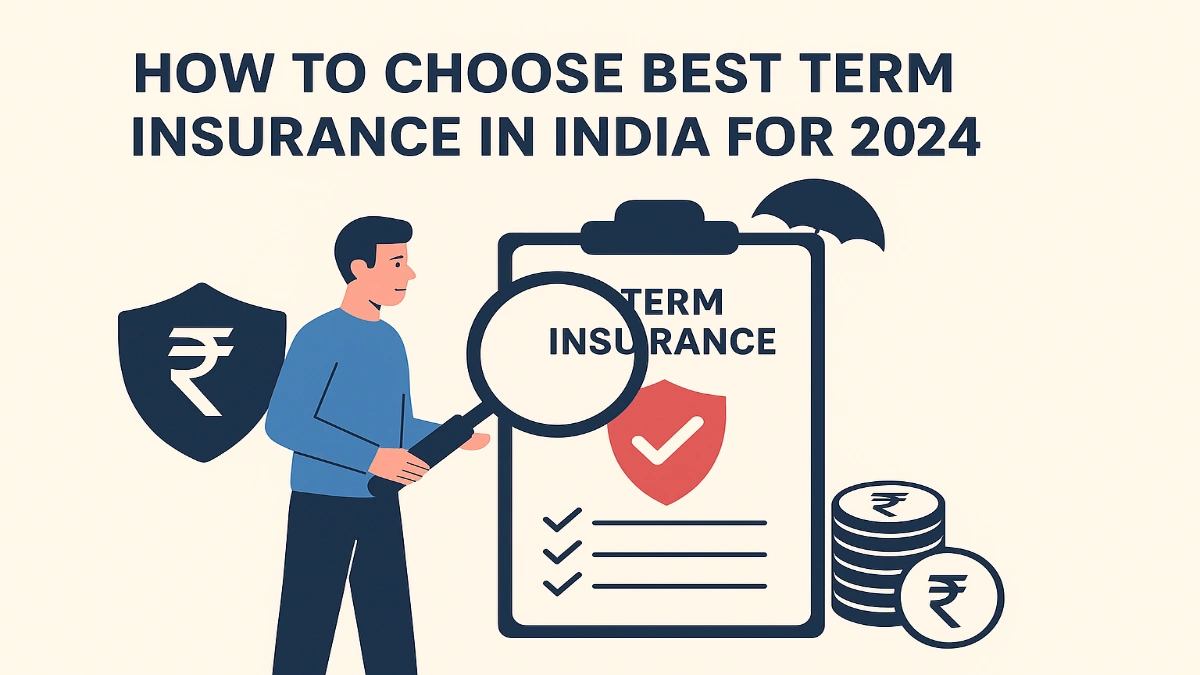
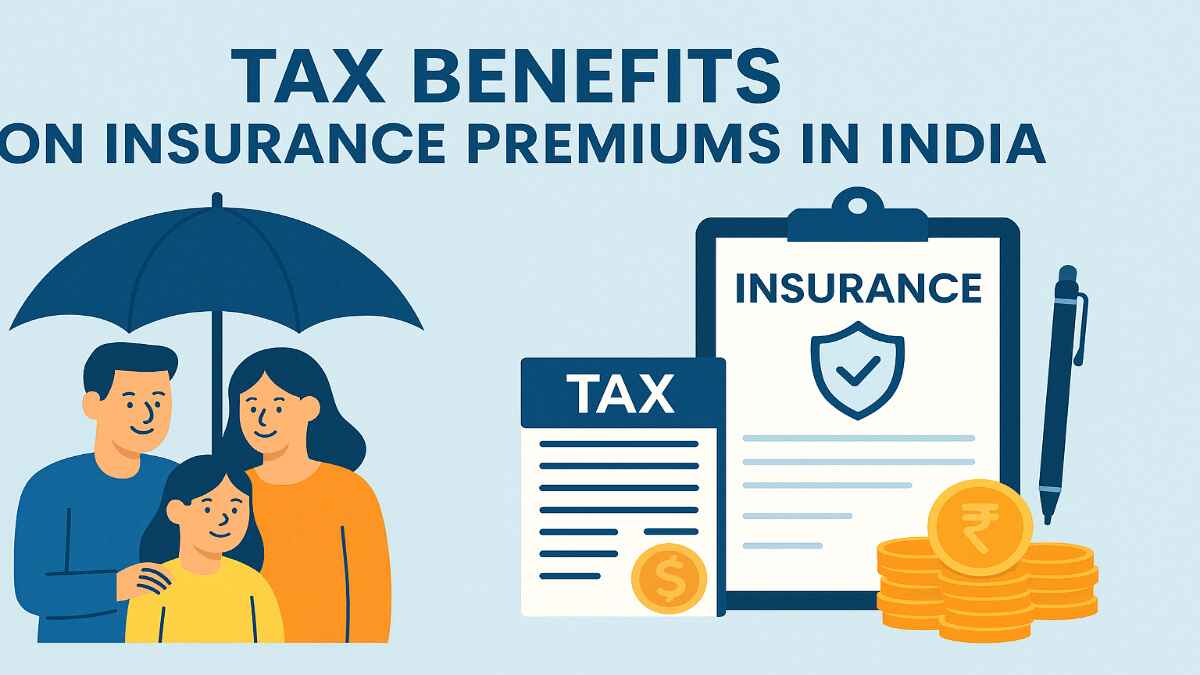
Hey there! If you’re like most people in India, paying insurance premiums might feel like just another expense that keeps your family safe. But what if I told you that those same premiums could actually help you save a bunch on your taxes? That’s right – the Indian government offers some pretty sweet tax benefits on insurance premiums to encourage folks to protect themselves and their loved ones. In this guide, we’re diving deep into everything you need to know about tax benefits on insurance premiums in India for 2025. Whether you’re a salaried employee, a freelancer, or running your own business, understanding these perks can put more money back in your pocket come tax time.
Table of Contents
Why Insurance and Taxes Go Hand in Hand in India
Picture this: You’re sipping your morning chai, scrolling through your bank app, and you see that monthly debit for your life or health insurance. It stings a little, right? But here’s the silver lining – the Income Tax Act, 1961, has built-in incentives to make insurance more appealing. These tax benefits aren’t just random giveaways; they’re designed to promote financial security and health awareness across the country.
In India, where healthcare costs are skyrocketing and life uncertainties are part of daily life, insurance isn’t a luxury – it’s a necessity. The government knows this, so they let you deduct premiums from your taxable income under various sections of Chapter VI-A. This means your total income gets reduced before tax is calculated, potentially dropping you into a lower tax bracket or just slashing your tax bill outright.
For 2025, with the Assessment Year (AY) 2025-26 covering your Financial Year (FY) 2024-25 earnings, these benefits are more relevant than ever. Recent budgets have kept the core structure intact, but there are whispers of simplifications and tweaks that we’ll cover later. According to reliable sources, deductions like these help millions save thousands each year. The key is knowing which insurance qualifies and how much you can claim – mess it up, and you might leave money on the table.
Think about it: If you’re paying Rs 20,000 annually for a life insurance policy, that could knock off up to Rs 6,000 from your tax liability if you’re in the 30% bracket. Multiply that across health and other policies, and we’re talking serious savings. But it’s not just about the numbers; it’s about peace of mind. Insurance protects your family, and tax benefits make it affordable. In a country like ours, where family comes first, this combo is a game-changer.
The Basics of Tax Deductions for Insurance Premiums
Before we jump into the specifics, let’s break down what a “tax deduction” really means. In simple terms, it’s like the government saying, “Hey, since you’re spending on something good like insurance, we’ll pretend you earned a bit less.” This lowers your taxable income. For instance, if you earn Rs 10 lakh and claim Rs 1.5 lakh in deductions, you only pay tax on Rs 8.5 lakh.
Insurance premiums qualify under the old tax regime – that’s important because the new regime (introduced in 2020) skips most deductions to offer lower tax rates. If you’re opting for the old one, you’re in luck for these benefits. The main players here are life insurance (for long-term security) and health insurance (for medical emergencies).
Life insurance premiums often fall under Section 80C, which caps at Rs 1.5 lakh overall – not just for insurance, but shared with things like PPF or ELSS. Health insurance gets its own spotlight under Section 80D, with limits up to Rs 1 lakh in some cases. And don’t forget, the payouts from these policies can be tax-free too under Section 10(10D), adding another layer of advantage.
Why does the government do this? It’s all about encouraging responsible behavior. By making insurance tax-friendly, more people buy policies, which reduces the burden on public healthcare and boosts the economy through insurance companies’ investments. In 2025, with inflation biting and medical costs up, these deductions are a lifeline for middle-class families.
Diving Deep into Section 80C: Tax Benefits for Life Insurance Premiums
Alright, let’s zoom in on Section 80C – the superstar for life insurance lovers. This section lets you claim deductions up to Rs 1.5 lakh on premiums paid for life insurance policies. But it’s not unlimited; there are rules to play by.
First off, what qualifies? Any life insurance policy from a recognized insurer in India, like LIC, HDFC Life, or ICICI Pru. This includes term plans (pure protection), endowment plans (savings plus insurance), and ULIPs (unit-linked plans that invest in markets). The premium must be paid for yourself, your spouse, or dependent children – sorry, no deductions for policies on your parents or siblings here.
There’s a catch: For policies issued after April 1, 2012, the deduction is only up to 10% of the sum assured. For older policies, it’s 20%. So, if your sum assured is Rs 5 lakh, you can claim up to Rs 50,000 max under that 10% rule, even if you pay more. But overall, the Rs 1.5 lakh cap applies across all 80C investments.
Let me share a quick story. My friend Raj, a software engineer in Bangalore, pays Rs 30,000 yearly for a term life policy with Rs 1 crore cover. Since it’s well over the 10% threshold, he claims the full amount under 80C. Combined with his EPF contributions, he maxes out the limit and saves around Rs 45,000 in taxes (at 30% rate). Without this, he’d be paying extra to Uncle Sam!
But life insurance isn’t just about deductions – the maturity amount is often tax-free if the premium doesn’t exceed that 10% limit. For death benefits, it’s always exempt. In 2025, with the new Income Tax Bill discussions, these rules are expected to stay put, but ULIPs have a twist: Premiums over Rs 2.5 lakh might attract tax on gains.
Expanding on types: Term insurance is straightforward – cheap premiums, high cover, great for tax savings. Endowment plans build cash value, doubling as savings. ULIPs offer market-linked growth, but watch the lock-in period (5 years) to keep the tax benefits. If you surrender early, you might lose the deduction and face tax on gains.
For NRIs, good news: You can claim 80C too, as long as the policy is in Indian rupees and from an Indian insurer. Senior citizens get the same limit, but if you’re over 60, consider combining with 80D for health riders.
Common pitfalls? Paying premiums in cash – nope, only bank transfers or checks qualify. Also, group policies from your employer might not count. Always check the policy document.
In essence, Section 80C turns your life insurance into a tax-saving powerhouse. If you’re not using it, you’re missing out on easy savings.
Section 80D: Unlocking Tax Savings on Health Insurance Premiums

Now, let’s talk health insurance – because who hasn’t faced a medical bill that made their wallet cry? Section 80D is your shield here, allowing deductions on premiums for mediclaim policies. Unlike 80C, this is separate, so you can claim both!
The limits: Up to Rs 25,000 for yourself, spouse, and dependent kids. Add another Rs 25,000 for your parents (if under 60). If anyone is a senior citizen (60+), it jumps to Rs 50,000 per group. Max out? Rs 1 lakh if both you and your parents are seniors.
What counts? Premiums for health insurance from any IRDAI-approved company, like Star Health or Niva Bupa. It includes critical illness riders and even preventive health check-ups (up to Rs 5,000 within the limit). But no deductions for cash payments – stick to digital.
Imagine this: Priya, a teacher in Mumbai, pays Rs 15,000 for her family’s health policy and Rs 20,000 for her elderly parents. She claims Rs 35,000 under 80D, saving Rs 10,500 in taxes. When her dad had a check-up costing Rs 4,000, that got deducted too. It’s not just savings; it’s reassurance during tough times.
For 2025, there’s buzz about potential GST reductions on health premiums, which could lower costs further. Businesses can even claim deductions on group health policies for employees, as per recent clarifications.
Eligibility: Anyone filing under the old regime, including HUFs. NRIs qualify if the policy covers Indian residents. But if your employer pays the premium, you can’t double-dip.
Top tip: Opt for multi-year policies to lock in rates, but claim deductions yearly based on payment. And remember, the payout from health claims is tax-free – no worries there.
Section 80D isn’t just tax relief; it’s a nudge to prioritize health in a post-pandemic world.
Other Relevant Sections: 80CCC and 80CCD for Pension and More
Don’t stop at 80C and 80D – there are cousins like 80CCC and 80CCD that tie into insurance-like products.
Section 80CCC covers premiums for annuity plans from insurers, like pension policies. Limit? Rs 1.5 lakh, but it’s part of the overall 80C cap. Ideal for retirement planning – pay now, get tax breaks, and a steady income later. Annuities are tax-free on purchase but taxed on receipt.
Then 80CCD: This is for National Pension System (NPS) contributions. Under 80CCD(1), up to Rs 1.5 lakh (again, within 80C). But 80CCD(1B) adds an extra Rs 50,000 for NPS only – that’s over and above! Employer contributions under 80CCD(2) can go up to 10% of salary, tax-free.
These are great for long-term savers. For example, if you buy a pension plan with insurance elements, it might qualify under 80CCC. In 2025, with the new tax bill retaining these, they’re stable options.
Who Can Claim These Benefits and What Are the Limits?
Eligibility is broad: Indian residents, NRIs, HUFs – as long as you’re taxable. No age bar, but seniors get higher 80D limits.
Caps recap: 80C/CCC/CCD(1) – Rs 1.5 lakh combined. 80D – up to Rs 1 lakh. 80CCD(1B) – extra Rs 50,000.
Proof needed: Policy documents, premium receipts. File via ITR forms like 1 or 2.
How to Claim Tax Benefits on Insurance Premiums

Claiming is easy during ITR filing. Choose old regime, enter details in Schedule VI-A. Use Form 16 if salaried, or self-assess. Tools like ClearTax make it breeze.
Steps: Gather receipts, log into e-filing portal, fill deductions, verify.
Real-Life Examples of Tax Savings
Take Amit: Earns Rs 12 lakh, pays Rs 50,000 life premium (80C), Rs 20,000 health (80D). Deductions: Rs 70,000. Tax saved: ~Rs 21,000.
Or Sneha, senior parent: Rs 40,000 health for family + Rs 45,000 for parents = Rs 85,000 deduction.
Common Mistakes to Avoid
Don’t claim cash payments. Avoid exceeding limits. Remember new regime skips these. Track policy surrenders.
What’s New in 2025 for Insurance Tax Benefits
Budget 2025 hiked FDI to 100% for insurance, potentially more options. ULIP premiums over Rs 2.5 lakh taxed at 12.5% on gains. Income Tax Bill 2025 retains deductions but simplifies.
Old vs New Tax Regime: Which One for You?
Old: Deductions galore, higher rates. New: No deductions, lower rates. If premiums high, old wins.
Beyond Taxes: Why Insurance Matters
Tax is bonus; real value is protection. Life cover for family, health for emergencies.
Wrapping It Up
There you have it – tax benefits on insurance premiums in India demystified for 2025. Start planning now to maximize savings.
FAQ
What is the maximum deduction under Section 80C for life insurance?
Up to Rs 1.5 lakh, shared with other investments.
Can I claim 80D for my parents’ health insurance?
Yes, additional Rs 25,000 or Rs 50,000 if seniors.
Are maturity proceeds from life insurance taxable?
Usually no, under Section 10(10D), if conditions met.
Does the new tax regime allow insurance deductions?
No, only old regime.
What if I pay premiums for ULIPs over Rs 2.5 lakh?
Gains may be taxed from 2025.
Can NRIs claim these benefits?
Can NRIs claim these benefits?
Is preventive health check-up covered under 80D?
Yes, up to Rs 5,000 within limits.
Disclaimer: Moneyjack.in provides general financial information for educational purposes only. We are not financial advisors. Content is not personalized advice. Consult a qualified professional before making financial decisions. We are not liable for any losses or damages arising from the use of our content. Always conduct your own research.