Investing can feel overwhelming, especially with so many options available. If you’re an Indian investor looking to diversify your portfolio or focus on a specific industry, Sector ETFs might be a great choice. But what exactly are they, and how can they fit into your investment strategy? In this article, we’ll break down Sector ETFs in simple English, explain how they work, their benefits and risks, and how you can invest in them in India. Whether you’re a beginner or an experienced investor, this guide will help you understand Sector ETFs and make informed decisions.”What Are Sector ETFs? Explained Simply”
Table of Contents
Introduction to ETFs
Before we dive into Sector ETFs, let’s start with the basics of Exchange-Traded Funds (ETFs). ETFs are investment funds that trade on stock exchanges, just like individual stocks. They hold a collection of assets, such as stocks, bonds, or commodities, and their value is based on the performance of these assets. ETFs are popular because they offer:
- Diversification: They spread your investment across multiple assets, reducing the risk of relying on a single stock or bond.
- Low Costs: ETFs typically have lower fees than actively managed mutual funds.
- Liquidity: You can buy and sell ETFs throughout the trading day on exchanges like the National Stock Exchange (NSE) or Bombay Stock Exchange (BSE).
- Transparency: ETFs disclose their holdings daily, so you know exactly what you’re investing in.
In India, ETFs have gained popularity due to their simplicity and tax efficiency. They’re a great way to invest in broad market indices like the Nifty 50 or Sensex, but they also come in specialized forms, such as Sector ETFs, which focus on specific industries.
What Are Sector ETFs?
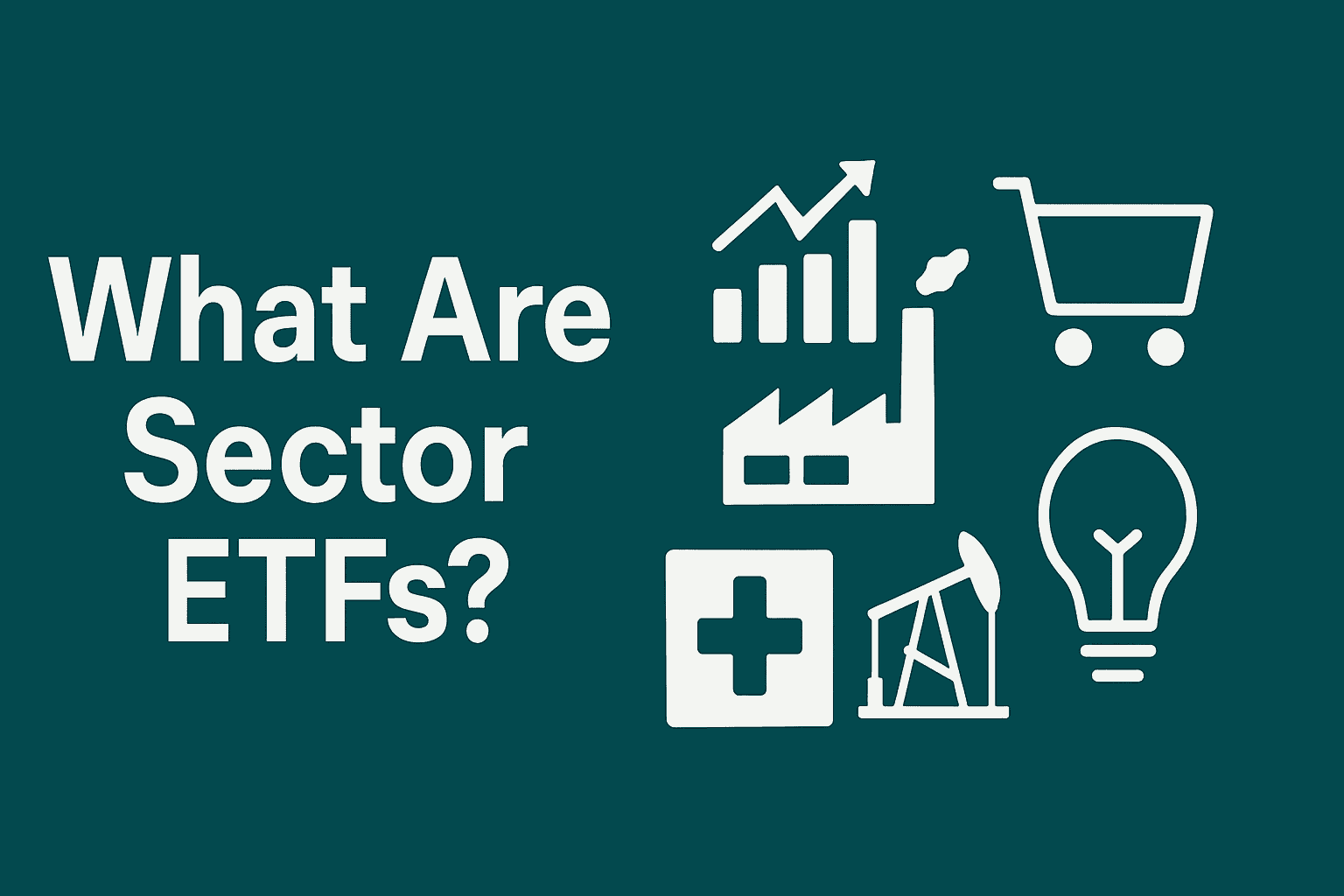
Sector ETFs are a type of ETF that invests in companies within a specific industry or sector, such as technology, healthcare, banking, or energy. Instead of tracking a broad market index like the Nifty 50, a Sector ETF tracks an index that represents a particular sector. For example, the Nippon India ETF Nifty IT tracks the Nifty IT Index, which includes top IT companies like Infosys and TCS.
By investing in a Sector ETF, you gain exposure to an entire industry without having to research and buy individual stocks. This makes it easier to capitalize on trends in specific sectors, such as the growth of digital payments in India or the rise of renewable energy globally.
Sector ETFs are available for various sectors, categorized under the Global Industry Classification Standard (GICS), which divides the market into 11 sectors:
- Information Technology
- Communication Services
- Consumer Discretionary
- Consumer Staples
- Energy
- Materials
- Industrials
- Health Care
- Financials
- Utilities
- Real Estate
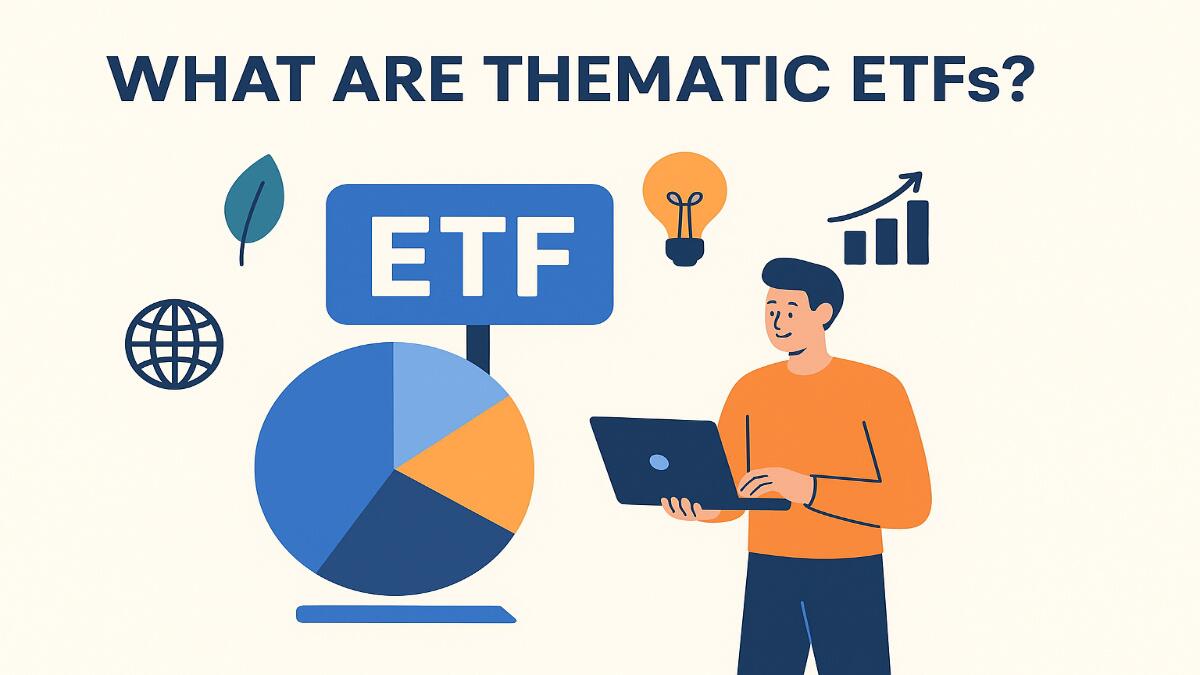
In India, you’ll find Sector ETFs for many of these sectors, as well as thematic ETFs focusing on areas like electric vehicles or defense.
How Do Sector ETFs Work?
Sector ETFs work by tracking a specific sector index, which is a benchmark that measures the performance of companies in that sector. Here’s a simple breakdown of how they operate:
- Index Tracking: Each Sector ETF is designed to replicate the performance of a sector-specific index. For instance, the ICICI Prudential Nifty Bank ETF tracks the Nifty Bank Index, which includes major banks like HDFC Bank and SBI. The fund manager buys the stocks in the index in the same proportion as their weight in the index.
- Passive Management: Most Sector ETFs are passively managed, meaning they aim to match the index’s performance rather than outperform it through active stock picking. This keeps costs low, as there’s minimal need for research or frequent trading.
- Trading on Exchanges: Sector ETFs are listed on stock exchanges like NSE or BSE, allowing you to buy and sell units during market hours. This makes them more flexible than mutual funds, which are traded only at the end of the day.
- Net Asset Value (NAV): The price of a Sector ETF is based on its NAV, which is calculated by dividing the total value of the fund’s assets (minus expenses) by the number of units outstanding. However, the market price of an ETF may slightly differ from its NAV due to supply and demand.
- Arbitrage Mechanism: To ensure the ETF’s market price stays close to its NAV, authorized participants (large financial institutions) can create or redeem ETF units by exchanging them for the underlying stocks. This process helps keep the ETF’s price aligned with its value.
For example, if you invest in the Nippon India ETF Nifty Pharma, your investment will reflect the performance of the Nifty Pharma Index, which includes companies like Sun Pharma and Dr. Reddy’s Laboratories. If the pharma sector performs well, the ETF’s value rises, and vice versa.
Benefits of Investing in Sector ETFs
Sector ETFs offer several advantages that make them appealing for Indian investors:
- Diversification Within a Sector: By investing in a Sector ETF, you gain exposure to a basket of companies within that sector, reducing the risk of relying on a single company. For example, a banking Sector ETF might include stocks of multiple banks, spreading out the risk.
- Targeted Exposure: If you believe a specific sector, like IT or healthcare, will outperform the broader market, a Sector ETF lets you focus your investment there without the need to research individual companies.
- High Liquidity: Since Sector ETFs trade on stock exchanges, you can buy or sell them easily during market hours, making them suitable for both long-term and short-term strategies.
- Lower Costs: Sector ETFs typically have lower expense ratios than actively managed mutual funds because they are passively managed. For example, the ICICI Prudential Nifty Private Bank ETF has an expense ratio of just 0.15%.
- Transparency: ETFs disclose their holdings daily, so you always know what companies you’re invested in. This transparency is especially helpful for investors who want clarity about their portfolio.
- Tax Efficiency: In India, ETFs are taxed similarly to equity mutual funds. Long-term capital gains (held for more than one year) are taxed at 10% above Rs. 1 lakh, while short-term gains are taxed at 15%. This makes them relatively tax-efficient compared to other investment options.
Risks Associated with Sector ETFs
While Sector ETFs have many benefits, they also come with risks that investors should consider:
- Concentration Risk: Since Sector ETFs focus on a single sector, they are more vulnerable to sector-specific challenges. For example, if the banking sector faces regulatory changes or economic slowdowns, a banking Sector ETF could see significant declines.
- Volatility: Sector ETFs can be more volatile than broad-market ETFs because their performance is tied to a single sector. Economic cycles, policy changes, or technological disruptions can cause sharp price swings.
- Tracking Error: While Sector ETFs aim to mirror their underlying index, there can be slight deviations due to factors like transaction costs or management fees. This is known as tracking error.
- Market Risk: Like all investments, Sector ETFs are subject to overall market risks, such as economic downturns, geopolitical events, or changes in investor sentiment.
- Liquidity Risk: While most Sector ETFs are liquid, some niche or smaller ETFs may have lower trading volumes, which could make it harder to buy or sell units without affecting the price.
To manage these risks, it’s important to diversify your portfolio and avoid putting all your money into a single Sector ETF. Consider your risk tolerance and investment goals before investing.
Types of Sector ETFs
Sector ETFs are categorized based on the Global Industry Classification Standard (GICS), which divides the market into 11 sectors. Here’s a quick overview of each:
- Information Technology: Includes companies in software, hardware, and IT services, like Infosys and TCS.
- Communication Services: Covers telecom, media, and internet companies, such as Bharti Airtel.
- Consumer Discretionary: Includes companies that sell non-essential goods and services, like automobiles or retail.
- Consumer Staples: Covers essential goods like food, beverages, and household products.
- Energy: Includes oil, gas, and renewable energy companies.
- Materials: Covers companies in chemicals, metals, and mining.
- Industrials: Includes manufacturing, construction, and transportation companies.
- Health Care: Covers pharmaceuticals, hospitals, and medical device companies.
- Financials: Includes banks, insurance companies, and financial services firms.
- Utilities: Covers electricity, water, and gas providers.
- Real Estate: Includes real estate investment trusts (REITs) and property developers.
In India, you’ll find Sector ETFs for many of these sectors, as well as thematic ETFs focusing on emerging areas like electric vehicles or defense.
Popular Sector ETFs in India
India has a growing range of Sector ETFs, offering investors opportunities to invest in key sectors of the economy. Below is a table of some popular Sector ETFs available in India, along with their underlying indices, assets under management (AUM), and expense ratios:

| ETF Name | Underlying Index | AUM (Cr) | Expense Ratio |
|---|---|---|---|
| Nippon India ETF Nifty IT | Nifty IT Index | 2,447 | 0.22% |
| Nippon India ETF PSU Bank BeES | Nifty PSU Bank Index | 3,067 | 0.49% |
| Nippon India Nifty Pharma ETF | Nifty Pharma Index | 980 | 0.21% |
| ICICI Prudential Nifty Oil & Gas ETF | Nifty Oil & Gas Index | 164 | 0.40% |
| ICICI Prudential Nifty Metal ETF | Nifty Metal Index | 152 | 0.40% |
| Motilal Oswal Nifty India Defence ETF | Nifty India Defence Index | 586 | 0.41% |
| ICICI Prudential Nifty FMCG ETF | Nifty FMCG Index | 610 | 0.20% |
| Nippon India ETF Bank BeES | Nifty Bank Index | 7,633 | 0.19% |
| ICICI Prudential Nifty Private Bank ETF | Nifty Private Bank Index | 3,408 | 0.15% |
| Groww Nifty EV & New Age Automotive ETF | Nifty EV & New Age Automotive Index | 269 | 0.47% |
These ETFs are managed by leading asset management companies like Nippon India, ICICI Prudential, and Motilal Oswal. They cover a range of sectors, from traditional ones like banking and IT to emerging areas like electric vehicles and defense.
For example, the Nippon India ETF Bank BeES, with an AUM of Rs. 7,633 crore, tracks the Nifty Bank Index, which includes major banks like HDFC Bank, ICICI Bank, and SBI. This ETF is popular among investors who are bullish on the banking sector’s growth in India.
How to Invest in Sector ETFs
Investing in Sector ETFs in India is simple and similar to buying stocks. Here’s a step-by-step guide:
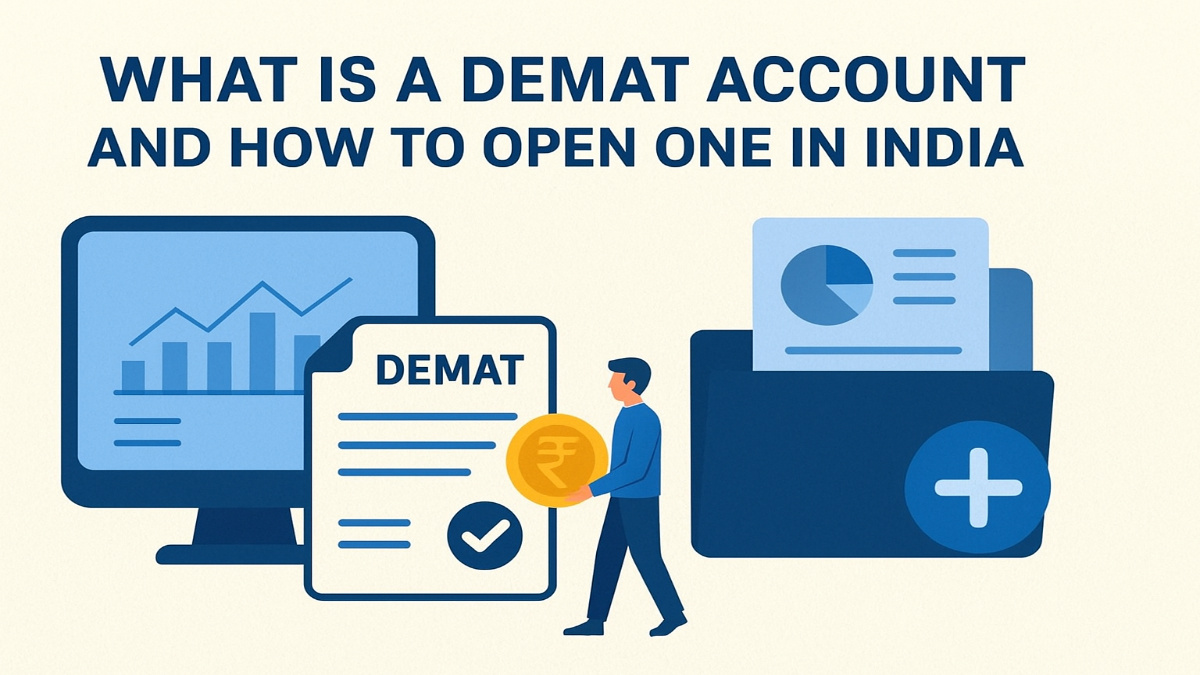
- Open a Demat Account: If you don’t have one, open a demat account with a depository participant (DP). This is where your ETF units will be held.
- Choose a Broker: Select a stockbroker that offers trading in ETFs. Popular brokers in India include Zerodha, Upstox, and Groww.
- Research and Select ETFs: Analyze the sector’s growth potential, the ETF’s expense ratio, and its historical performance. For example, if you believe the IT sector will grow due to increased digitalization, you might choose the Nippon India ETF Nifty IT.
- Place an Order: Use your broker’s trading platform to place a buy order for the desired number of ETF units. You can buy at the current market price or set a limit order for a specific price.
- Monitor and Review: Keep track of your ETF investments and review your portfolio regularly to ensure it aligns with your financial goals. You can use platforms like Tickertape or Moneycontrol to analyze ETF performance.
FAQs About Sector ETFs
What is a Sector ETF?
A Sector ETF is an exchange-traded fund that invests in companies within a specific industry or sector, allowing investors to gain exposure to that sector’s performance.
How do Sector ETFs differ from regular ETFs?
Regular ETFs track broad market indices, like the Nifty 50, while Sector ETFs focus on a single sector, providing targeted exposure.
Are Sector ETFs risky?
Sector ETFs carry risks, particularly concentration risk, as they are tied to a single sector’s performance. However, they offer diversification within that sector, reducing the risk of relying on one company.
Can I invest in international Sector ETFs from India?
Yes, but it involves additional costs and complexities, such as currency risk and regulatory requirements. Check with your broker for options.
What are some popular Sector ETFs in India?
Popular Sector ETFs include Nippon India ETF Nifty IT, ICICI Prudential Nifty Bank ETF, and Motilal Oswal Nifty India Defence ETF, among others.
How are Sector ETFs taxed in India?
Long-term capital gains (held for more than one year) are taxed at 10% above Rs. 1 lakh, and short-term gains are taxed at 15%.
Can I use Sector ETFs for short-term trading?
Yes, Sector ETFs can be traded intraday, but short-term trading carries higher risks due to market volatility.
What should I consider before investing in a Sector ETF?
Evaluate your investment horizon, risk tolerance, the sector’s economic outlook, and how the ETF fits into your portfolio.
Do Sector ETFs pay dividends?
Some Sector ETFs distribute dividends, while others reinvest them. Check the fund’s policy for details.
How liquid are Sector ETFs?
Most Sector ETFs on major exchanges are liquid, but liquidity can vary depending on the ETF and market conditions.
Conclusion
Sector ETFs are a powerful tool for Indian investors looking to capitalize on the growth of specific industries, such as IT, banking, or electric vehicles. They offer diversification within a sector, lower costs, and the flexibility to trade on stock exchanges. However, their focus on a single sector makes them riskier than broad-market ETFs, so it’s important to assess your risk tolerance and investment goals before investing.
With a growing range of Sector ETFs available in India, from traditional sectors like banking to emerging ones like defense, investors have plenty of options to choose from. By researching the sector’s potential, selecting ETFs with low expense ratios, and monitoring your investments, you can use Sector ETFs to enhance your portfolio and achieve your financial objectives.
Disclaimer: Moneyjack.in provides general financial information for educational purposes only. We are not financial advisors. Content is not personalized advice. Consult a qualified professional before making financial decisions. We are not liable for any losses or damages arising from the use of our content. Always conduct your own research.