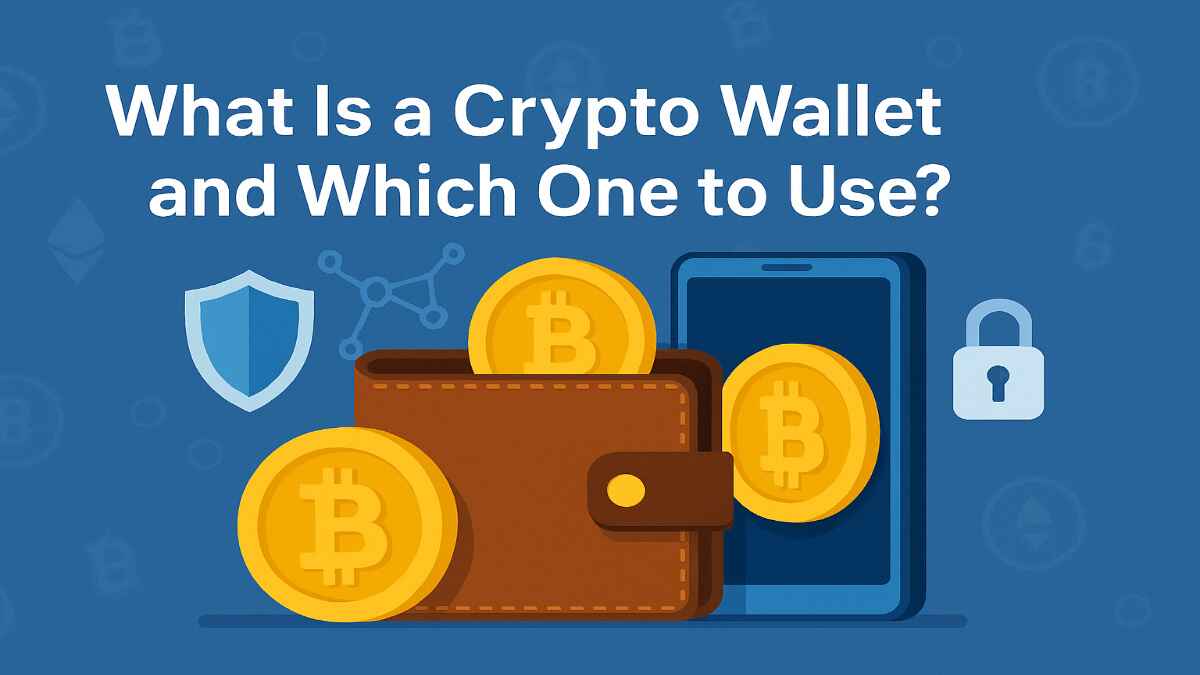
In today’s fast-moving digital world, cryptocurrency has become a hot topic. More and more people in India are investing in Bitcoin, Ethereum, and other digital assets. But a common question many people still ask is: What Is a Crypto Wallet and Which One to Use? If you’re one of them, you’re not alone.
In this detailed guide, you’ll learn everything about crypto wallets—from how they work to which one you should pick as a beginner or experienced investor. Whether you want to store crypto safely or trade regularly, understanding what is a crypto wallet and which one to use is the first step to securing your digital wealth.
Table of Contents
Chapter 1: Understanding the Basics – What Is a Crypto Wallet?
To answer the main question—What Is a Crypto Wallet and Which One to Use?—you first need to understand what a crypto wallet really is.
A crypto wallet is a digital tool that helps you store, send, and receive cryptocurrencies like Bitcoin, Ethereum, Dogecoin, and more. Think of it like your Paytm or Google Pay app, but instead of storing Indian Rupees (INR), it stores digital coins.
Crypto wallets don’t actually “store” your coins the way a regular wallet stores cash. Instead, they hold private keys—a kind of digital password that gives you access to your crypto assets.
Why Do You Need One?
You can’t hold crypto in your hand. It lives on the blockchain. So, to control your crypto, you need a private key. And that key is stored safely in your crypto wallet.
Chapter 2: Types of Crypto Wallets – Which One Should You Use?
A key part of answering What Is a Crypto Wallet and Which One to Use? is understanding the different types of wallets available. There are mainly two types:
1. Hot Wallets (Online Wallets)
Hot wallets are connected to the internet. They’re fast, easy to use, and perfect for daily trading.
Examples:
- Mobile apps (like Trust Wallet)
- Web wallets (like MetaMask)
- Desktop wallets (like Exodus)
Pros:
- Convenient and fast
- Good for beginners
- Free to use
Cons:
- Less secure than cold wallets
- Vulnerable to hacking
2. Cold Wallets (Offline Wallets)
Cold wallets are offline, making them much more secure. They are ideal for long-term storage.
Examples:
- Hardware wallets (like Ledger Nano X, Trezor)
- Paper wallets
Pros:
- Highly secure
- Immune to online hacking
Cons:
- Not free (hardware wallets can cost ₹6,000–₹20,000)
- Less convenient for frequent trading
Chapter 3: How Does a Crypto Wallet Work?
You may be asking, What Is a Crypto Wallet and Which One to Use?—but how does it actually work?
A crypto wallet has two important keys:
- Public Key: Like your bank account number. You share it to receive money.
- Private Key: Like your ATM PIN. You must never share it.
When someone sends you crypto, it’s recorded on the blockchain. To access or spend it, your wallet uses your private key to authorize the transaction.
Chapter 4: Choosing the Right Wallet for You
Now that you know the basics, the next question is: What Is a Crypto Wallet and Which One to Use in India?
Here are some things to consider:
1. Beginner or Expert?
- If you’re new, start with a hot wallet like Trust Wallet or CoinDCX (available in India).
- If you’re experienced and want high security, get a cold wallet like Ledger Nano S Plus.
2. How Much Crypto Do You Own?
- Small amounts? A mobile wallet is fine.
- Large amounts? Use a hardware wallet.
3. How Often Do You Trade?
- Daily trader? Use hot wallets for speed.
- Long-term investor? Use cold wallets for safety.
So when we ask, What Is a Crypto Wallet and Which One to Use?, the answer depends on your goal, skill level, and how much you want to invest.
Chapter 5: Best Crypto Wallets to Use in India (2025 Edition)

Let’s make things easy. Here’s a quick guide to the top wallets Indians can use today.
🔹 Trust Wallet
- Great for beginners
- Supports many coins
- Easy mobile interface
🔹 CoinDCX Wallet
- Indian exchange wallet
- Supports INR deposits
- Good customer support
🔹 MetaMask
- Best for Ethereum users
- Works with browsers
- Great for DeFi and NFTs
🔹 Ledger Nano X
- Hardware wallet
- Super secure
- Best for storing large crypto amounts
🔹 Exodus
- Desktop wallet
- Beautiful design
- Good for multi-coin storage
All these options help answer our key topic: What Is a Crypto Wallet and Which One to Use?
Chapter 6: Safety Tips for Using Crypto Wallets
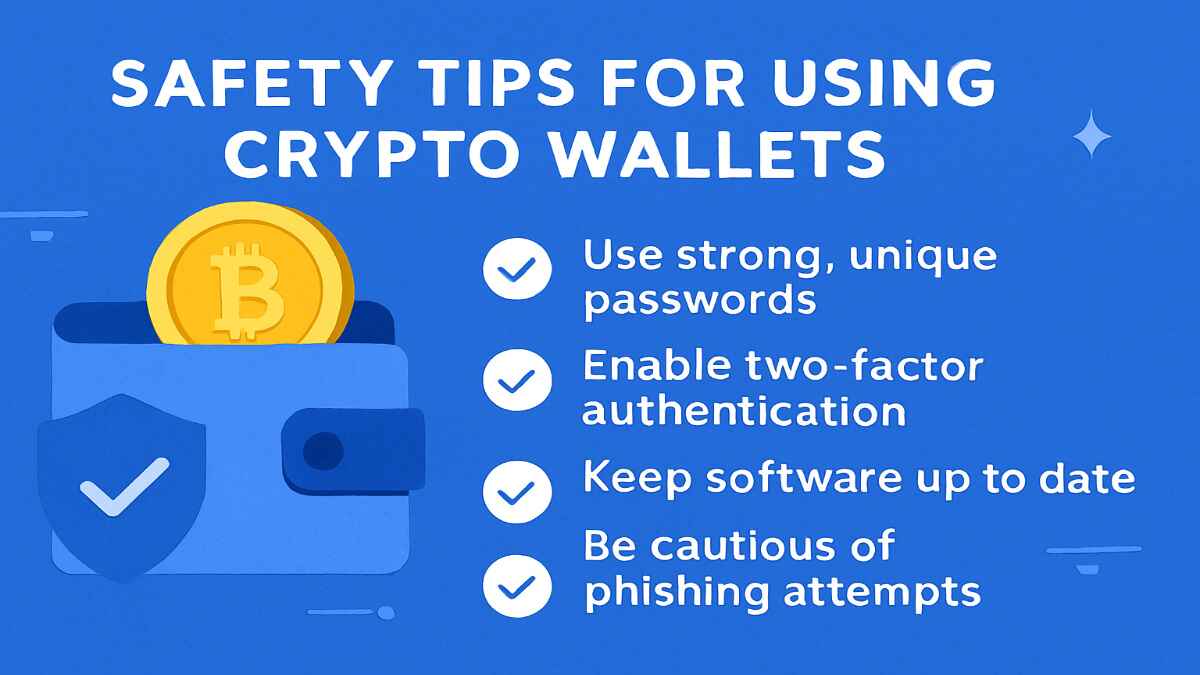
Even the best wallet can’t help you if you don’t follow some basic safety rules. If you’re seriously asking What Is a Crypto Wallet and Which One to Use, you must also know how to use them wisely.
🔐 Safety Checklist:
- Never share your private key or recovery phrase
- Use strong passwords
- Enable two-factor authentication (2FA)
- Backup your wallet securely
- Only download wallets from official websites
- Be careful of phishing scams
A wallet is only as secure as the person using it. If someone gets your private key, they own your crypto. Be smart and stay safe.
Chapter 7: Are Crypto Wallets Legal in India?
Yes, using a crypto wallet is legal in India as of 2025. The Indian government has not banned wallets. However, they do require crypto users to report taxes and follow KYC norms when using Indian exchanges like WazirX or CoinDCX.
So, don’t worry. If you’re wondering What Is a Crypto Wallet and Which One to Use? in India, you’re legally allowed to use both hot and cold wallets.
Chapter 8: Why Crypto Wallets Matter More Than Ever
With rising interest in digital currency, scams and hacks are also increasing. Many people lose their crypto because they don’t know how to protect it.
Understanding What Is a Crypto Wallet and Which One to Use helps you avoid these problems. A good wallet is like your vault. It’s the foundation of safe investing in crypto.
Whether you’re investing ₹1,000 or ₹10 lakh, the right wallet gives you peace of mind.
Chapter 9: Common Mistakes to Avoid
As a beginner, here are some mistakes to avoid while choosing or using your crypto wallet:
- Saving your recovery phrase on your phone or Gmail
- Falling for fake wallet apps
- Using public Wi-Fi for wallet access
- Not updating your app or firmware
If you’re serious about What Is a Crypto Wallet and Which One to Use, avoid shortcuts. Your crypto depends on it.
Chapter 10: Final Thoughts
Let’s wrap it up. You came here asking: What Is a Crypto Wallet and Which One to Use? And now, you know:
- A crypto wallet stores your keys—not the coins
- Hot wallets are best for beginners and traders
- Cold wallets are ideal for security and long-term storage
- Safety is in your hands
Choosing the right crypto wallet is just as important as picking the right coin. With the rise of digital currency in India, now is the best time to learn and grow your knowledge.
What Is a Crypto Wallet and Which One to Use? Keep asking, keep learning, and stay ahead in the game.
Frequently Asked Questions (FAQs)
What Is a Crypto Wallet and Which One to Use for beginners?
A crypto wallet is a tool that stores your private keys to access and manage your cryptocurrency. Beginners should use easy-to-use hot wallets like Trust Wallet or CoinDCX.
Is it safe to use crypto wallets in India?
Yes, it is safe and legal to use crypto wallets in India. Just make sure to use official apps and follow safety rules like enabling 2FA and never sharing your private key.
Can I store Bitcoin in a crypto wallet?
Absolutely. You can store Bitcoin and other cryptocurrencies in both hot and cold wallets. Wallets like Ledger Nano X or Trust Wallet support Bitcoin.
Do crypto wallets charge any fees?
Most wallets don’t charge fees for storing crypto, but you may pay a transaction fee when sending crypto. This fee goes to the blockchain network, not the wallet provider.
What is the safest crypto wallet?
The safest option is a hardware wallet like Ledger or Trezor. Since they are offline, they protect your private keys from hackers.
Which Indian crypto wallet is best?
CoinDCX and WazirX are popular choices in India. They offer INR deposits, fast trading, and good security for new users.
Can I have more than one crypto wallet?
Yes, you can have multiple wallets. Many investors use a hot wallet for trading and a cold wallet for long-term storage.
Disclaimer: Moneyjack.in provides general financial information for educational purposes only. We are not financial advisors. Content is not personalized advice. Consult a qualified professional before making financial decisions. We are not liable for any losses or damages arising from the use of our content. Always conduct your own research.