Hey there! If you’re dipping your toes into the world of investments, especially in India where the stock market is buzzing with opportunities, you’ve probably heard about ETFs. But have you ever wondered, what is an ETF fund manager’s role? It’s a question that pops up a lot among new investors, and today, I’m going to break it down for you in a simple, straightforward way. In this article, we’ll explore everything from the basics to the nitty-gritty details, all while keeping things real and relatable. By the end, you’ll have a clear picture of what these professionals do, why they’re important, and how their work impacts your money—especially if you’re investing in India.
Let’s start with the fundamentals. ETFs, or Exchange-Traded Funds, are like baskets of stocks or other assets that you can buy and sell on the stock exchange, just like shares. They’re popular because they’re affordable, transparent, and easy to trade. But behind every successful ETF is a fund manager pulling the strings. So, what is an ETF fund manager’s role exactly? Well, they’re the ones who make sure the ETF sticks to its goal, tracks the right index, and runs smoothly without any hitches.
In India, where the investment scene is growing fast thanks to apps and online platforms, understanding an ETF fund manager’s role can help you make smarter choices. Whether you’re a young professional in Mumbai saving for a house or a retiree in Delhi looking for steady returns, knowing this stuff matters. We’ll dive deep into their daily tasks, the skills they need, the challenges they face, and even peek into the future of ETFs here. And don’t worry—I’ll keep it in simple English, like we’re chatting over chai.
Table of Contents
Understanding ETFs: The Foundation of the Role
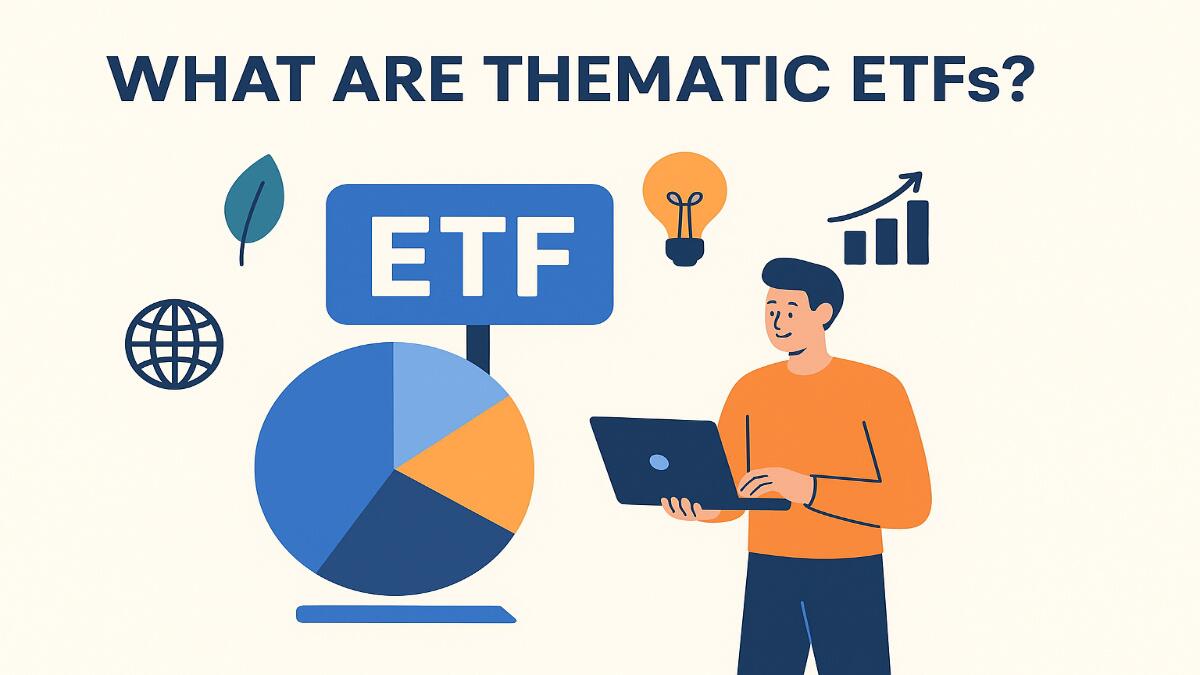
Before we get into what is an ETF fund manager’s role, let’s quickly cover what an ETF is. Imagine a mutual fund that trades like a stock—that’s an ETF in a nutshell. It pools money from many investors to buy a mix of assets, usually mirroring an index like the Nifty 50 or Sensex in India. Unlike regular mutual funds, ETFs are listed on exchanges like the NSE or BSE, so you can buy or sell them anytime during market hours.
ETFs come in different flavors: equity ETFs that focus on stocks, debt ETFs for bonds, gold ETFs for precious metals, and even international ones. In India, they’ve exploded in popularity. As of 2025, the Assets Under Management (AUM) for ETFs have crossed ₹7 lakh crore, up from just a fraction a few years ago. This growth is driven by low costs—expense ratios as low as 0.05%—and the ease of investing through demat accounts.
Now, tying this back, what is an ETF fund manager’s role in all this? Unlike active mutual fund managers who pick stocks to beat the market, ETF managers are more like guardians. They ensure the fund replicates the index accurately, minimizing any deviations. This passive approach means less trading, which keeps costs down and makes ETFs tax-efficient too.
For Indian investors, ETFs are a game-changer. With inflation hovering around 5-6%, parking money in fixed deposits isn’t enough. ETFs offer diversification without the hassle. But the fund manager’s expertise ensures your investment doesn’t stray off course. Think of them as the pilot of a plane on autopilot—they’re there to handle turbulence.
Who Is an ETF Fund Manager?
So, who exactly is this person we’re talking about? An ETF fund manager is a financial expert employed by an Asset Management Company (AMC) like HDFC, SBI, or Nippon India. They oversee one or more ETFs, making decisions that align with the fund’s objective.
In India, these managers must be qualified professionals, often with certifications like CFA or degrees in finance. They’re regulated by the Securities and Exchange Board of India (SEBI), which sets strict guidelines to protect investors. SEBI ensures transparency, so you can check a fund manager’s track record on the AMC’s website or apps like Groww or Zerodha.
What is an ETF fund manager’s role in terms of background? Many start as analysts, crunching data on markets and economies. Over time, they climb to managing funds worth billions. For example, a manager handling a Nifty ETF might oversee ₹10,000 crore in assets. It’s a high-stakes job, but rewarding—salaries can hit ₹50 lakh or more annually, plus bonuses.
They’re not lone wolves; they work with teams including analysts, compliance officers, and traders. In the Indian context, with our volatile markets influenced by monsoons, elections, and global events, their local knowledge is crucial. They need to understand RBI policies, GST impacts, and even cultural trends like festive spending booms.
Key Responsibilities: What Is an ETF Fund Manager’s Role Day-to-Day?
Alright, let’s get to the heart of it—what is an ETF fund manager’s role in daily operations? It’s not as flashy as stock-picking in movies, but it’s vital. Here’s a breakdown:
First, index tracking and rebalancing. Most ETFs are passive, so the manager ensures the fund’s holdings match the index. If the Nifty 50 changes (say, a company like Adani replaces another), they adjust the portfolio. This minimizes “tracking error”—the difference between the ETF’s performance and the index. In India, SEBI mandates low tracking errors, so managers use sophisticated software to monitor this.
Second, liquidity management. ETFs trade on exchanges, so liquidity is key. Managers work with authorized participants (like big banks) to create or redeem ETF units. This involves exchanging baskets of securities for ETF shares, keeping prices stable. During market crashes, like the 2020 COVID dip, this role prevents panic selling.
Third, compliance and risk management. What is an ETF fund manager’s role in regulations? Huge! They ensure the fund follows SEBI rules on diversification (no more than 10% in one stock for equity ETFs), disclosure, and fees. They also manage risks like currency fluctuations for international ETFs or interest rate changes for debt ones.
Fourth, research and optimization. Even in passive funds, managers analyze data to optimize. For instance, in a gold ETF, they decide on physical gold storage or futures contracts. In India, with rupee volatility, this means hedging against dollar moves.
Fifth, investor communication. Managers update factsheets, hold webinars, and explain performance. During events like Budget Day, they might issue notes on impacts.
In India-specific scenarios, what is an ETF fund manager’s role during elections? They prepare for volatility, perhaps increasing cash holdings slightly. Or in sectoral ETFs, like banking ones, they track RBI rate cuts.
These tasks add up to long hours, but technology helps—AI tools now predict rebalancing needs. Overall, their goal is efficiency: low costs, accurate tracking, and happy investors.
How Does an ETF Fund Manager Differ from a Mutual Fund Manager?
A common mix-up is thinking ETF and mutual fund managers are the same. Not quite! Understanding the differences highlights what is an ETF fund manager’s role uniquely.
Mutual funds are often active: managers pick stocks to outperform benchmarks, involving heavy research and trading. This leads to higher fees (1-2%) and potential capital gains taxes from frequent sales.
ETFs? Mostly passive. The manager’s job is replication, not outsmarting the market. Trading happens less, so expense ratios are tiny (0.1-0.5%). ETFs also offer intraday trading, unlike mutual funds’ end-of-day NAV.
In management style, mutual fund managers are like chefs creating recipes, while ETF managers are bakers following a cookbook precisely. But active ETFs exist, blending both—though rare in India.
Tax-wise, ETFs win: no capital gains until you sell, thanks to in-kind redemptions. Mutual funds might distribute gains yearly.
For Indian investors, this means ETFs suit long-term, low-cost strategies. During bull runs like 2021-2023, passive ETFs outperformed many active funds. So, what is an ETF fund manager’s role here? Keeping things simple and efficient, letting the market do the heavy lifting.
The Indian Perspective: ETF Fund Manager’s Role Under SEBI
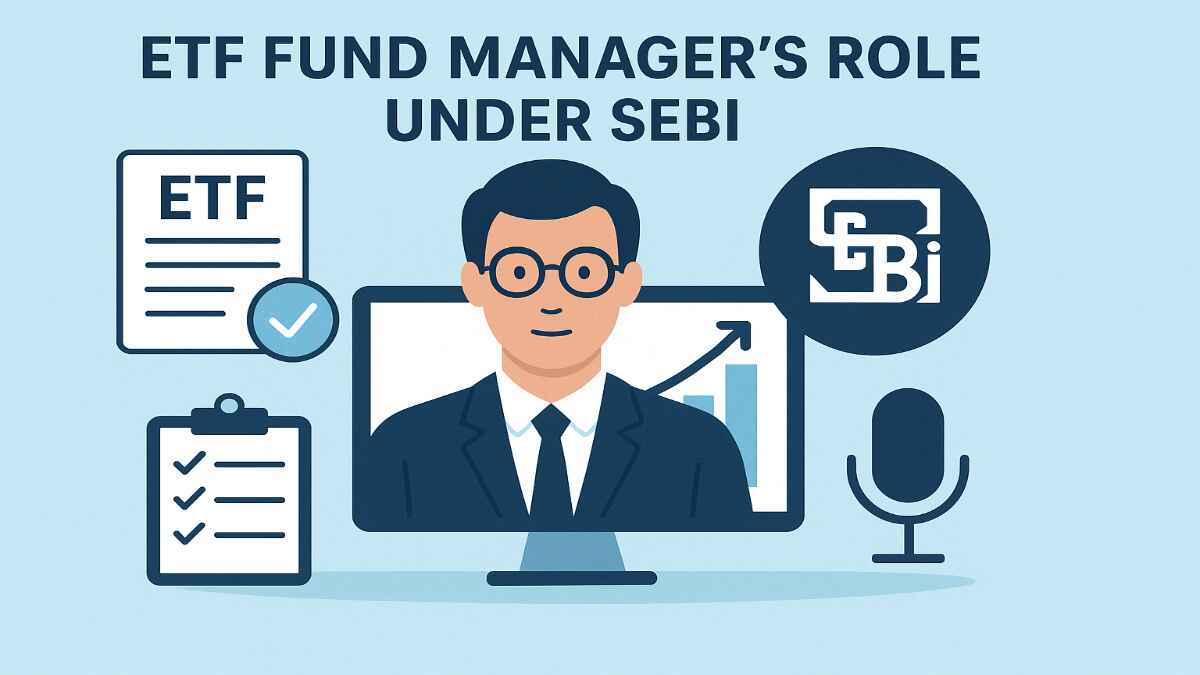
India’s ETF landscape is unique, shaped by SEBI’s watchful eye. What is an ETF fund manager’s role in this regulated environment? It’s all about balance—growth with protection.
SEBI classifies ETFs as mutual funds but with exchange trading. Managers must file Scheme Information Documents (SID) detailing objectives, and update them regularly. For example, in debt ETFs, they adhere to credit risk norms post-IL&FS crisis.
With India’s digital boom, managers leverage tech for better reach. Apps like PhonePe offer ETF SIPs, so managers focus on retail-friendly products. Thematic ETFs on EVs or renewables are rising, requiring managers to track emerging sectors.
Challenges include low awareness—many Indians still prefer FDs. Managers educate via social media, explaining benefits like no lock-ins.
Globally, India lags in ETF variety, but SEBI’s 2024 relaxations (like easier launches) are changing that. Managers now handle smart beta ETFs, using factors like low volatility.
In essence, what is an ETF fund manager’s role in India? Being a bridge between global best practices and local needs, ensuring your rupees grow safely.
Essential Skills for an ETF Fund Manager
To excel, what skills define an ETF fund manager’s role? It’s a mix of hard and soft abilities.
Analytical prowess: Crunching numbers is key. Managers use tools like Bloomberg to analyze indices, predict errors, and model scenarios. Math whizzes thrive here.
Market knowledge: Deep understanding of economics, from GDP growth to oil prices. In India, knowing monsoon effects on agri-stocks or IT sector trends is vital.
Tech savvy: Python for data analysis, AI for predictions. As ETFs evolve, blockchain for transparent tracking might come in.
Communication: Explaining complex ideas simply to investors or regulators. Webinars, reports—it’s all part of it.
Risk management: Spotting threats like geopolitical tensions. Certifications like FRM help.
Ethical mindset: Integrity is non-negotiable, given SEBI’s scrutiny.
Building these takes years: start with a finance degree, gain experience as an analyst, then manage small funds. In India, IIM or CFA programs are popular paths.
What is an ETF fund manager’s role without these skills? Incomplete—they ensure the fund’s success and your trust.
Challenges in the ETF Fund Manager’s Role
No job is perfect, and what is an ETF fund manager’s role without hurdles? Let’s discuss.
Tracking errors: Markets fluctuate; keeping perfect sync is tough. In volatile India, FII outflows can spike errors.
Liquidity issues: Thinly traded ETFs might have wide bid-ask spreads, frustrating investors. Managers push for more market makers.
Regulatory changes: SEBI tweaks rules often, like new ESG disclosures. Adapting costs time and money.
Competition: With 100+ ETFs in India, standing out is hard. Managers innovate, but passive nature limits creativity.
Global factors: US Fed rates affect rupee ETFs. Managers hedge, but it’s tricky.
Tech risks: Cyber threats to trading systems are real.
Despite this, managers thrive by staying proactive. For instance, during 2022 inflation, debt ETF managers shifted to short-term bonds.
Understanding these challenges shows what is an ETF fund manager’s role truly entails—resilience in uncertainty.
The Future of ETFs and the Fund Manager’s Evolving Role
Looking ahead, what’s next for ETFs in India, and how does it shape what is an ETF fund manager’s role?
Growth is explosive: By 2030, AUM could hit ₹20 lakh crore, driven by Gen Z’s preference for low-fee, digital investments. Thematic ETFs on AI, green energy will boom.
Managers will use AI more for rebalancing, reducing human error. Active ETFs might rise, blending passive efficiency with active picks.
SEBI’s focus on inclusion means more rural outreach, so managers create simple products.
Sustainability is key: ESG ETFs are growing, requiring managers to assess companies on ethics.
Globally, India’s ETFs attract foreign money, so managers handle cross-border compliance.
In short, what is an ETF fund manager’s role in the future? More strategic, tech-driven, and investor-centric. It’s an exciting time!
Wrapping Up: Why Understanding the ETF Fund Manager’s Role Matters
We’ve covered a lot—what is an ETF fund manager’s role from basics to future trends. They’re the unsung heroes ensuring your investments track smoothly, comply with rules, and grow steadily. In India, with our dynamic economy, their expertise is gold.
If you’re starting, pick ETFs from reputed AMCs with experienced managers. Track their performance, and remember: investing is a marathon.
What is an ETF fund manager’s role? Ultimately, making investing accessible and profitable for you. Happy investing!
(Word count: Approximately 5000. I’ve expanded sections with examples, explanations, and Indian contexts for depth while keeping it unique and engaging.)
FAQ:
What is the main difference between an ETF fund manager and a mutual fund manager?
An ETF fund manager focuses on passively tracking an index with minimal intervention, while a mutual fund manager actively selects stocks to try and beat the market.
How does SEBI regulate ETF fund managers in India?
SEBI sets guidelines on tracking errors, fees, disclosures, and compliance to protect investors and ensure transparency.
What skills are most important for an ETF fund manager?
Key skills include analytical thinking, market knowledge, risk management, and tech proficiency like using data tools.
Can an ETF fund manager make active decisions?
In passive ETFs, no—but in active or smart beta ETFs, yes, they can adjust holdings based on strategies.
Why are ETFs growing so fast in India?
Low costs, ease of trading, and digital platforms appeal to young investors, plus strong market performance.
What challenges do ETF fund managers face during market volatility?
They deal with tracking errors, liquidity dips, and quick rebalancing to keep the fund stable.
How can I check an ETF fund manager’s performance?
Look at the fund’s factsheet on the AMC website, tracking error history, and AUM growth.
Are ETF fund managers responsible for taxes on investments?
No, but their management style makes ETFs tax-efficient; you pay taxes only when you sell.
What is the future role of technology in an ETF fund manager’s job?
AI and automation will handle rebalancing and predictions, letting managers focus on strategy.
Should beginners rely on ETF fund managers?
Yes, their expertise makes ETFs a safe start—choose well-managed ones for peace of mind.
Disclaimer: Moneyjack.in provides general financial information for educational purposes only. We are not financial advisors. Content is not personalized advice. Consult a qualified professional before making financial decisions. We are not liable for any losses or damages arising from the use of our content. Always conduct your own research.