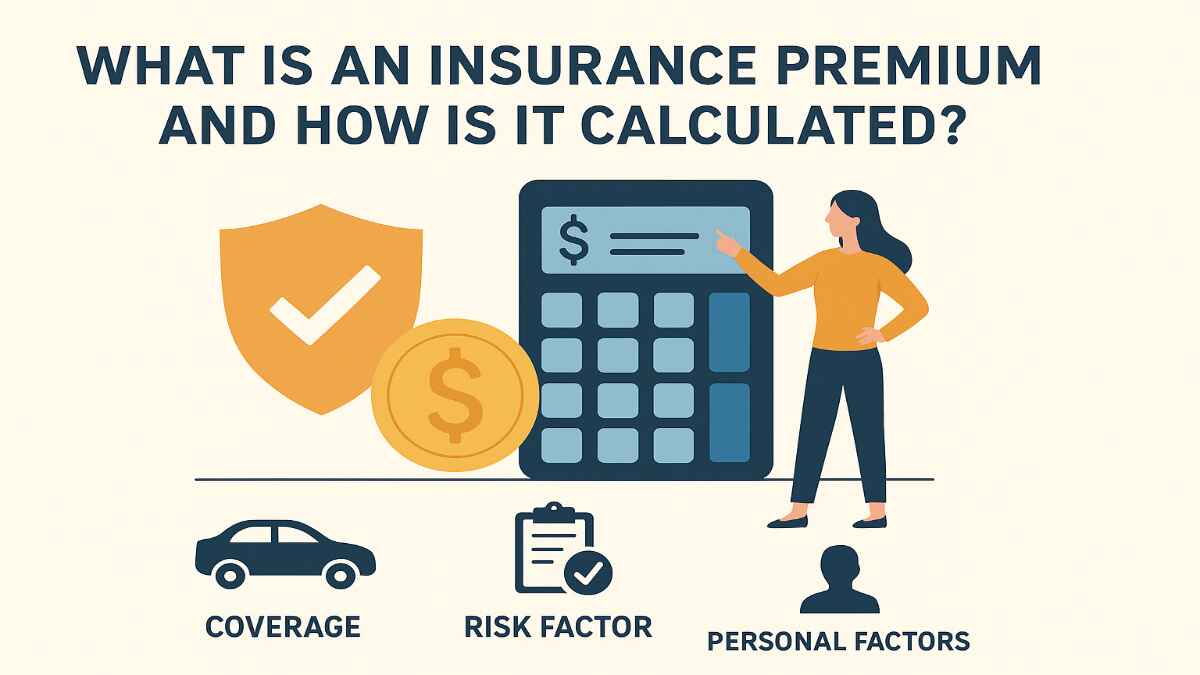
In today’s world, insurance is a vital tool for financial security, offering protection against unexpected events like accidents, illnesses, or property damage. If you’re in India and exploring insurance options, you’ve likely come across the term “insurance premium.” But what exactly is an insurance premium, and how is it calculated? In this comprehensive, easy-to-read guide, we’ll break down everything you need to know about insurance premiums in simple English, tailored for the Indian audience. Whether you’re new to insurance or looking to understand the nitty-gritty, this article will help you make informed decisions.”What Is an Insurance Premium and How Is It Calculated?”
Table of Contents
What Is an Insurance Premium?
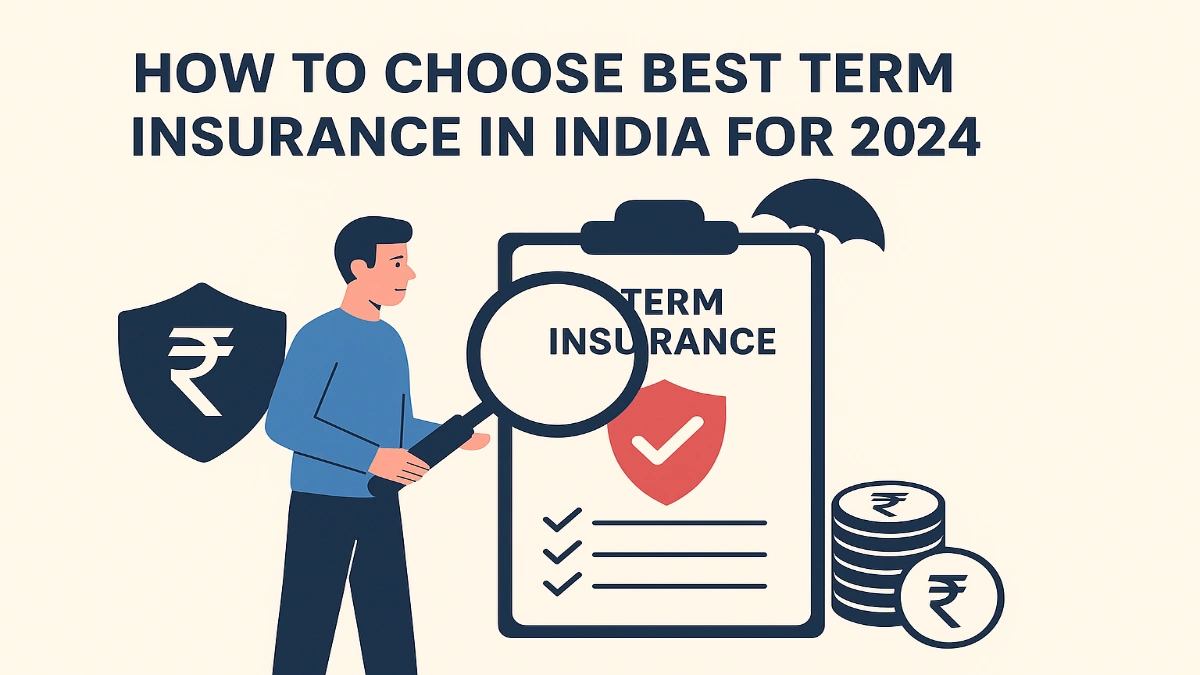
An insurance premium is the amount you pay to an insurance company to keep your insurance policy active. Think of it as the cost of buying protection against risks. Whether it’s for health insurance, car insurance, home insurance, or life insurance, the premium is the price you pay either monthly, quarterly, or annually to ensure coverage.
For example, if you have a car insurance policy, you might pay ₹10,000 per year as a premium to ensure your car is protected against accidents or theft. If something goes wrong, the insurance company steps in to cover the costs, depending on the terms of your policy. In simple terms, the premium is like a membership fee for your insurance coverage.
In India, insurance premiums are a common part of financial planning, as they provide peace of mind and safeguard you from unexpected expenses. But how do insurance companies decide how much to charge you? That’s where the calculation of the insurance premium comes in.
Why Are Insurance Premiums Important?
Insurance premiums are crucial because they determine whether you can afford a policy and the level of coverage you receive. Paying your premium on time ensures your policy remains active, so you’re protected when you need it most. If you miss payments, your policy could lapse, leaving you without coverage.
Premiums also vary depending on the type of insurance, your personal circumstances, and the risks involved. For instance, a young driver in Mumbai might pay a higher car insurance premium than an older driver in a smaller city due to differences in risk factors like traffic conditions or driving experience.
Understanding how premiums are calculated can help you choose a policy that fits your budget and needs. Let’s dive into the factors that influence insurance premiums and how they’re determined.
How Is an Insurance Premium Calculated?
Insurance companies use a process called underwriting to calculate premiums. Underwriting involves assessing the risk of insuring you or your assets. The higher the risk, the higher the premium, and vice versa. Here are the key factors that insurance companies consider when calculating premiums in India:
1. Type of Insurance Policy
The type of insurance you’re buying plays a big role in determining the premium. Different policies cover different risks, and the premium reflects that. For example:
- Health Insurance: Premiums depend on your age, medical history, and coverage amount. A policy covering critical illnesses will have a higher premium than a basic health plan.
- Car Insurance: Premiums are based on the car’s make, model, age, and usage, as well as your driving history.
- Life Insurance: Premiums are influenced by your age, health, lifestyle, and the policy term.
- Home Insurance: The premium depends on the property’s value, location, and risks like floods or earthquakes.
Each type of insurance has its own risk assessment criteria, which directly affects the premium.
2. Age of the Insured
Your age is a major factor in premium calculation, especially for health and life insurance. Younger individuals typically pay lower premiums because they’re considered less risky. For example, a 25-year-old buying life insurance will likely pay less than a 50-year-old for the same coverage, as older individuals are more likely to face health issues or pass away sooner.
In India, this is particularly relevant for health insurance, where premiums tend to rise as you age. If you buy a policy early, you can lock in lower premiums for the long term.
3. Health and Lifestyle
For health and life insurance, your health and lifestyle habits are closely examined. Insurance companies may ask about:
- Medical History: Pre-existing conditions like diabetes or heart disease can increase premiums.
- Smoking or Drinking: If you smoke or consume alcohol regularly, you’re considered a higher risk, leading to higher premiums.
- Occupation: High-risk jobs, like working in construction or mining, can raise premiums compared to desk jobs.
For instance, a non-smoker with no medical issues will pay less for life insurance than a smoker with a history of chronic illness.
4. Coverage Amount
The amount of coverage you choose directly impacts the premium. A higher sum assured (the amount the insurer will pay in case of a claim) means a higher premium. For example, a life insurance policy with a ₹1 crore payout will have a higher premium than one with a ₹25 lakh payout.
In India, many people opt for higher coverage to secure their family’s future, but it’s important to balance coverage with affordability.
5. Location
Where you live in India can affect your premium. For example:
- Urban vs. Rural: People in metro cities like Delhi or Bangalore may pay higher premiums for car or home insurance due to higher risks of accidents, theft, or property damage.
- Natural Disasters: If you live in an area prone to floods, earthquakes, or cyclones (like coastal regions), your home insurance premium may be higher.
6. Driving Record and Vehicle Details (for Car Insurance)
For car insurance, your driving history and the type of vehicle you own are key factors. If you’ve had accidents or traffic violations, your premium will likely be higher. Additionally, the car’s make, model, age, and fuel type matter. For example, a luxury car like a BMW will have a higher premium than a Maruti Swift due to higher repair costs.
In India, the Insured Declared Value (IDV) of your car—the market value of the vehicle—is a major factor in determining the premium. A higher IDV means a higher premium.
7. Policy Tenure and Payment Frequency
The length of your policy and how you choose to pay the premium also affect the cost. For example:
- Longer Tenure: A life insurance policy with a 30-year term will have higher premiums than a 10-year term because it covers a longer period of risk.
- Payment Frequency: Paying annually is often cheaper than paying monthly or quarterly, as insurers may offer discounts for lump-sum payments.
8. Add-Ons and Riders
Many insurance policies in India offer add-ons or riders, which are optional benefits you can add to your policy for extra protection. For example:
- Health Insurance: Riders like critical illness cover or maternity benefits increase the premium.
- Car Insurance: Add-ons like zero depreciation cover or roadside assistance raise the premium but provide extra benefits.
While riders enhance your coverage, they also increase the cost, so choose them wisely.
9. Claims History
If you’ve made frequent claims in the past, insurers may see you as a higher risk and charge a higher premium. For example, if you’ve claimed car insurance multiple times for accidents, your next policy’s premium might be higher.
On the flip side, a no-claim bonus (NCB) can lower your premium. In India, car insurance policies often offer an NCB discount if you don’t make claims during the policy term.
10. Economic Factors
Broader economic factors, like inflation or changes in insurance regulations, can also impact premiums. For instance, rising medical costs in India have led to higher health insurance premiums over time. Similarly, changes in GST rates or IRDAI (Insurance Regulatory and Development Authority of India) guidelines can affect premium costs.
Types of Insurance Premiums in India
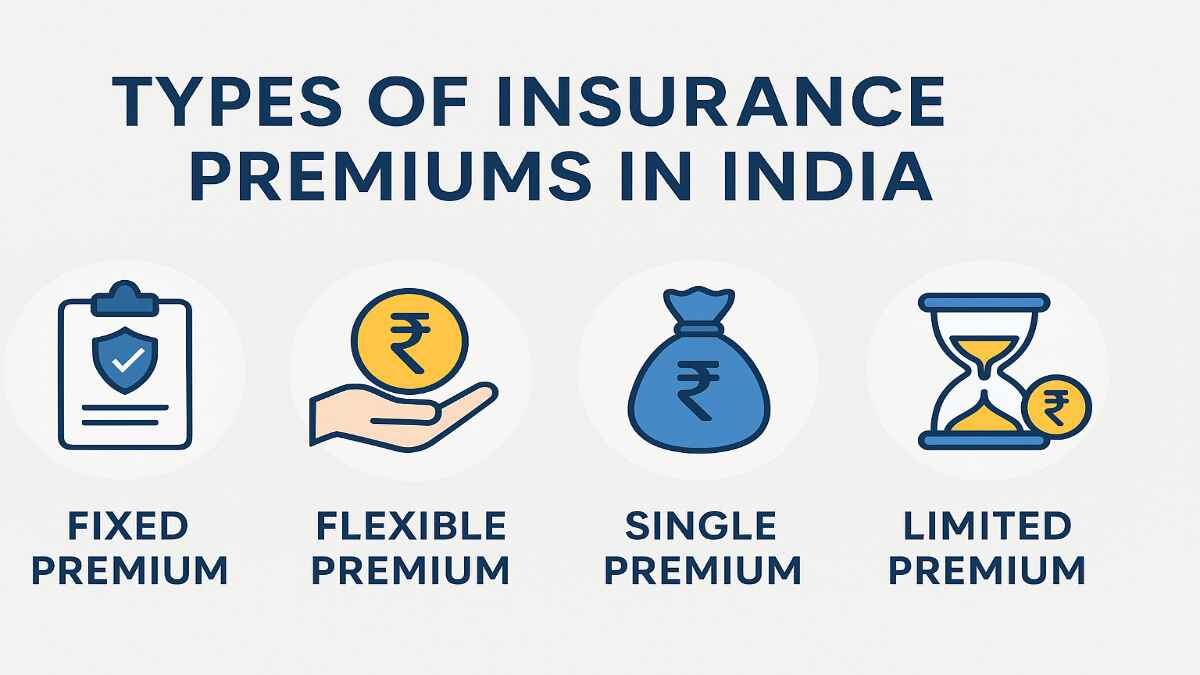
In India, insurance premiums can be categorized based on how they’re structured. Here are the main types:
1. Level Premium
Level premiums remain constant throughout the policy term. For example, in a term life insurance policy, you pay the same premium every year until the policy ends. This is common in India for life insurance and some health insurance plans.
2. Variable Premium
Variable premiums change over time based on factors like age, health, or policy terms. Some health insurance plans in India have premiums that increase as you age.
3. Single Premium
A single premium is a one-time payment made at the start of the policy. For example, some life insurance policies in India allow you to pay the entire premium upfront instead of in installments.
4. Regular Premium
Regular premiums are paid periodically—monthly, quarterly, or annually. Most insurance policies in India, like car or health insurance, follow this model.
How to Lower Your Insurance Premium in India
While premiums are based on risk, there are ways to reduce your costs without compromising coverage. Here are some practical tips:
- Compare Policies Online: Use comparison websites like Policybazaar or Coverfox to find the best deals in India. Comparing quotes helps you find affordable premiums for the same coverage.
- Buy Early: Purchase health or life insurance when you’re young and healthy to lock in lower premiums.
- Maintain a Good Claims Record: Avoid small claims to qualify for a no-claim bonus, especially for car insurance.
- Choose the Right Coverage: Don’t over-insure. Select a sum assured that meets your needs without inflating the premium.
- Opt for Long-Term Policies: Some insurers offer discounts for longer policy terms or annual payments.
- Stay Healthy: For health and life insurance, maintain a healthy lifestyle to avoid premium hikes due to medical conditions.
- Install Safety Features: For car or home insurance, adding safety features like anti-theft devices or fire alarms can lower premiums.
Common Mistakes to Avoid When Paying Insurance Premiums
When managing insurance premiums in India, avoid these pitfalls:
- Missing Payments: Late or missed payments can cause your policy to lapse, leaving you unprotected.
- Underinsuring: Choosing a low sum assured to save on premiums might leave you undercovered during a crisis.
- Not Reading Policy Terms: Understand what’s covered and what’s not to avoid surprises during claims.
- Ignoring Add-Ons: While add-ons increase premiums, skipping essential ones (like zero depreciation for cars) could cost you more in the long run.
The Role of IRDAI in Regulating Premiums
In India, the Insurance Regulatory and Development Authority of India (IRDAI) oversees the insurance industry and ensures premiums are fair and transparent. The IRDAI sets guidelines for premium calculations, claim settlements, and policy terms to protect consumers. When choosing an insurance provider, ensure they’re registered with the IRDAI for reliability.
Why Understanding Premiums Matters for Indians
In a country like India, where financial planning is becoming increasingly important, understanding insurance premiums can save you money and ensure adequate protection. With rising costs of healthcare, vehicle repairs, and property maintenance, insurance acts as a safety net. By knowing how premiums are calculated, you can make smart choices, compare policies, and negotiate better deals.
For example, a middle-class family in India might prioritize health insurance to cover medical emergencies, while a young professional might focus on car insurance to protect their new vehicle. Whatever your needs, understanding premiums helps you budget effectively and avoid financial stress.
FAQs
What is an insurance premium?
An insurance premium is the amount you pay to an insurance company to keep your policy active and receive coverage for risks like accidents, illnesses, or property damage.
How often do I need to pay my insurance premium?
It depends on the policy. You can pay premiums monthly, quarterly, or annually. Some policies also allow a one-time single premium payment.
Can I reduce my insurance premium?
Yes, you can lower your premium by comparing policies, maintaining a good claims record, choosing the right coverage, and adding safety features to your car or home.
Why do insurance premiums increase over time?
Premiums may increase due to factors like age, inflation, rising medical or repair costs, or changes in your risk profile (e.g., new medical conditions or accidents).
What happens if I miss an insurance premium payment?
If you miss a payment, your policy may lapse, meaning you lose coverage. Some insurers offer a grace period, but it’s best to pay on time.
Are insurance premiums tax-deductible in India?
Yes, premiums for life and health insurance are eligible for tax deductions under Section 80C and Section 80D of the Income Tax Act, subject to certain limits.
How does my location affect my premium?
Living in urban areas or regions prone to natural disasters (like floods or earthquakes) can increase premiums due to higher risks.
What is a no-claim bonus (NCB)?
A no-claim bonus is a discount on your premium offered by insurers (especially for car insurance) if you don’t make any claims during the policy term.
Do all insurance policies have the same premium structure?
No, premiums vary based on the type of policy, coverage amount, and risk factors like age, health, or location.
How can I find the best insurance premium rates in India?
Use online comparison platforms like Policybazaar, Coverfox, or BankBazaar to compare quotes from multiple insurers and find the best rates.
Conclusion
Understanding what an insurance premium is and how it’s calculated is essential for making informed financial decisions in India. Whether you’re insuring your health, car, home, or life, knowing the factors that influence premiums—such as age, location, coverage amount, and claims history—can help you choose the right policy and save money. By comparing policies, maintaining a healthy lifestyle, and avoiding common mistakes, you can secure affordable premiums without compromising on protection.
With the insurance market in India growing rapidly, thanks to increased awareness and digital platforms, now is the perfect time to explore your options. Use the tips and insights from this guide to find a policy that fits your needs and budget. Stay insured, stay protected, and enjoy peace of mind!
Disclaimer: Moneyjack.in provides general financial information for educational purposes only. We are not financial advisors. Content is not personalized advice. Consult a qualified professional before making financial decisions. We are not liable for any losses or damages arising from the use of our content. Always conduct your own research.