Introduction
Life in India is full of surprises—some pleasant, others not so much. Imagine waking up to find your job is gone, a family member needs urgent medical care, or your home requires unexpected repairs after a heavy monsoon. These scenarios aren’t just possibilities; they’re realities many Indians face. With rising healthcare costs, economic uncertainties, and the ever-present risk of natural disasters, having a financial safety net is no longer optional—it’s essential. This is where an emergency fund comes in.
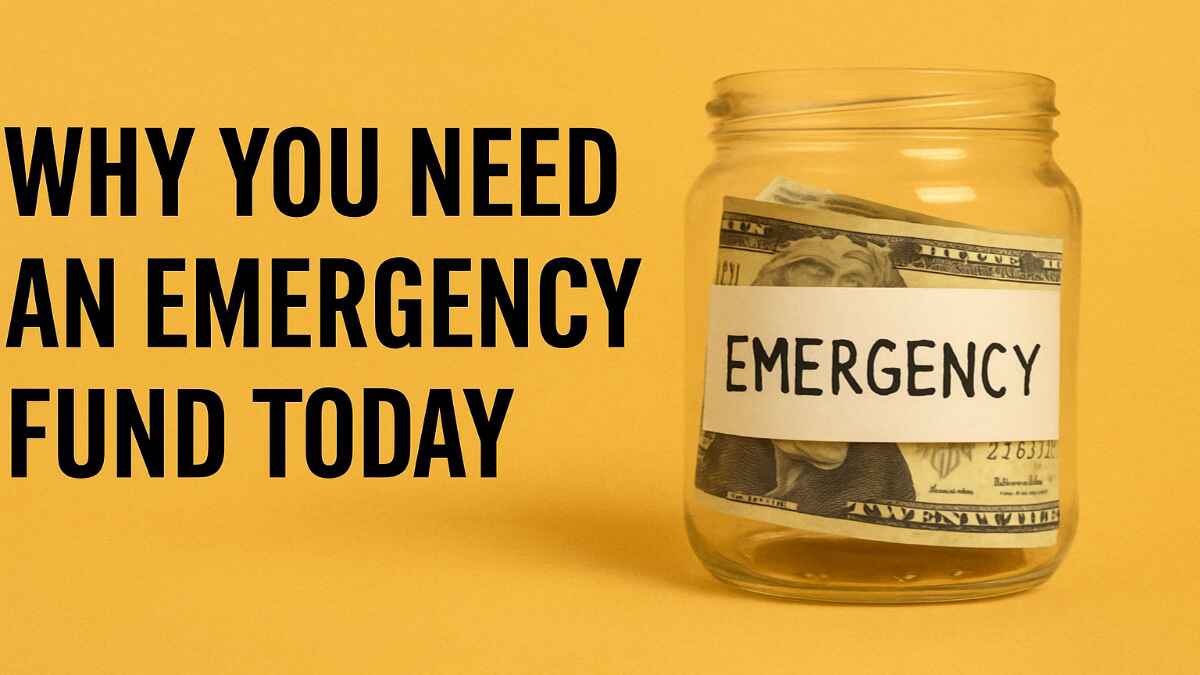
An emergency fund is a dedicated pool of money set aside to cover unexpected expenses or financial emergencies. It’s your first line of defense against life’s unpredictability, ensuring you don’t fall into debt or disrupt your long-term financial goals. In this comprehensive guide, we’ll explore why you need an emergency fund today, how much to save, where to keep it, and practical steps to build one, all tailored for the Indian context. Written in simple English with a human tone, this article is designed to help you take control of your financial future.
Table of Contents
What is an Emergency Fund?
An emergency fund is a savings reserve specifically for unforeseen expenses or financial crises. Unlike your regular savings or investment accounts, this fund is meant for emergencies only, such as:
- Medical Emergencies: Costs not covered by insurance, like co-pays or specialized treatments.
- Job Loss or Salary Cuts: Income disruptions due to layoffs or economic downturns.
- Home or Car Repairs: Sudden expenses like fixing a leaking roof or a broken vehicle.
- Unexpected Travel: Urgent trips for family emergencies.
- Other Unforeseen Costs: Anything that disrupts your financial stability.
The key feature of an emergency fund is liquidity—you should be able to access the money quickly without penalties or significant loss of value. It’s not about earning high returns but about having cash ready when you need it most.
Why You Need an Emergency Fund Today
India’s unique economic and social landscape makes an emergency fund a must-have. Here are the top reasons why you need one today:
1. Financial Security in Uncertain Times
India has faced significant economic challenges, from global recessions to the COVID-19 pandemic, which led to widespread job losses and salary cuts. According to a 2020 report by the Centre for Monitoring Indian Economy (CMIE), over 12 crore people lost their jobs during the lockdown. An emergency fund can help you cover essential expenses during such periods, preventing you from dipping into long-term investments or taking high-interest loans.
2. Rising Healthcare Costs
Medical emergencies can drain your finances. Even with health insurance, out-of-pocket expenses like diagnostics, medicines, or non-covered treatments can add up. For instance, a single hospitalization can cost anywhere from ₹50,000 to ₹5 lakh, depending on the treatment and city. An emergency fund ensures you can handle these costs without stress.
3. Natural Disasters
India is prone to natural disasters like floods, earthquakes, and cyclones. In 2023, floods in northern India displaced thousands and caused significant property damage. An emergency fund can help cover immediate needs like temporary housing, repairs, or relocation costs during such events.
4. Job Market Volatility
India’s job market can be unpredictable, especially in sectors like IT, startups, or gig work. Layoffs, salary reductions, or delayed payments are not uncommon. An emergency fund provides a buffer, giving you time to find new opportunities without financial panic.
5. Avoiding Debt Traps
Without an emergency fund, unexpected expenses often lead to borrowing. Credit cards charge 36-48% annual interest, and personal loans can range from 10-24%. An emergency fund helps you avoid these costly debts, keeping your finances intact.
6. Peace of Mind
Financial stress can take a toll on your mental health. Knowing you have a safety net allows you to face challenges with confidence, whether it’s a medical emergency or a sudden job loss. This peace of mind is invaluable in today’s fast-paced world.
How Much Should You Save?
The size of your emergency fund depends on your lifestyle, income stability, and responsibilities. Here are general guidelines:
- Standard Recommendation: Save 3-6 months’ worth of essential living expenses, including rent/mortgage, groceries, utilities, loan EMIs, insurance premiums, and other fixed costs.
- Freelancers or Volatile Industries: Aim for 6-12 months, as income can be irregular.
- Families with Dependents: A larger fund (6-9 months or more) is ideal to cover expenses for children, elderly parents, or other dependents.
Calculating Your Emergency Fund
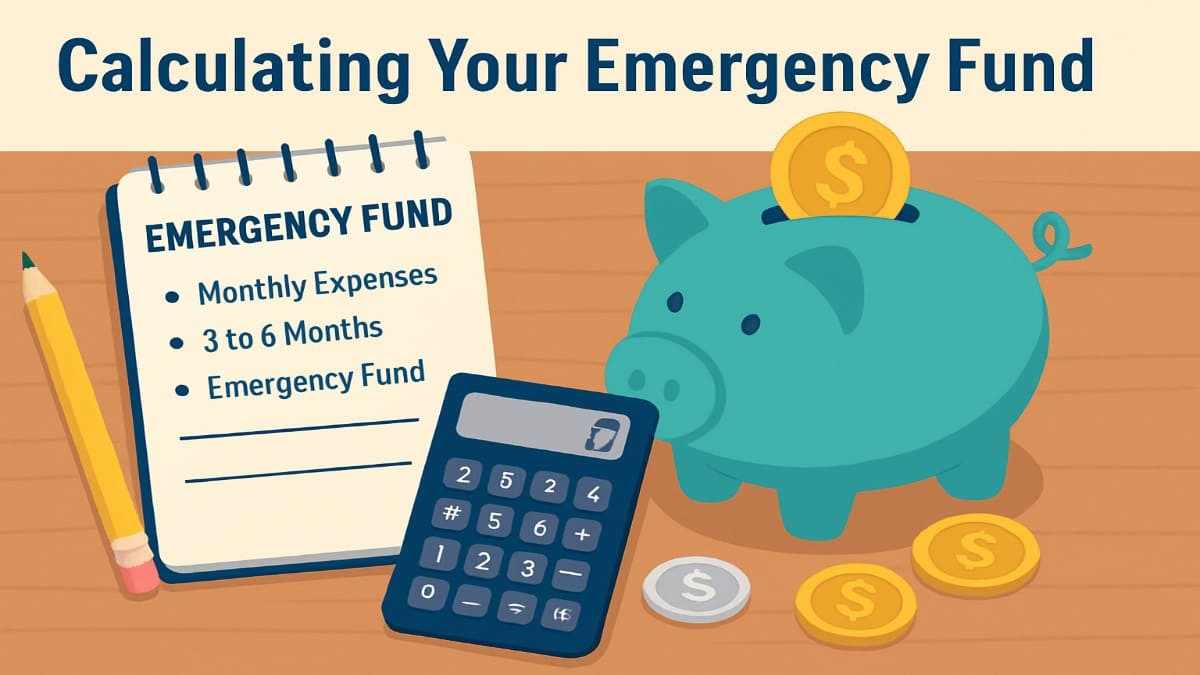
To estimate your target, list your monthly essential expenses. For example:
| Expense Category | Monthly Cost (₹) |
|---|---|
| Rent/Mortgage | 15,000 |
| Groceries | 5,000 |
| Utilities | 3,000 |
| Loan EMIs | 5,000 |
| Insurance Premiums | 2,000 |
| Total | 30,000 |
For 6 months, you’d need ₹30,000 × 6 = ₹1,80,000. Adjust based on your situation, such as job stability or number of dependents.
Where to Keep Your Emergency Fund
Your emergency fund should be safe and easily accessible. Here are popular options in India, with their pros and cons:
| Option | Pros | Cons |
|---|---|---|
| Savings Account | Easy access, no withdrawal penalties, insured up to ₹5 lakh by DICGC. | Low interest rates (2.5-4%). |
| Fixed Deposits (FDs) | Higher interest (5-7.5%), safe, flexible tenures. | Penalties for premature withdrawal, less liquid. |
| Liquid Mutual Funds | Higher returns (4-7%), liquid (redeem in 1-2 days), low risk. | Minimal market risk, requires basic investment knowledge. |
| Ultra Short-Term Funds | Slightly higher returns than liquid funds, highly liquid, tax benefits. | Slightly higher risk than liquid funds, market fluctuations. |
| Recurring Deposits | Disciplined saving, higher returns (4-8%) than savings accounts. | Penalties for early withdrawal, less liquid. |
Recommended Strategy
Split your fund for optimal access and returns:
- 30-40% in Savings Account: For immediate needs like hospital bills or urgent travel.
- 60-70% in Liquid Funds/FDs: For better returns while maintaining reasonable access.
For example, if your target is ₹1,80,000, keep ₹54,000-₹72,000 in a savings account and the rest in liquid mutual funds or a sweep-in FD.
How to Build Your Emergency Fund
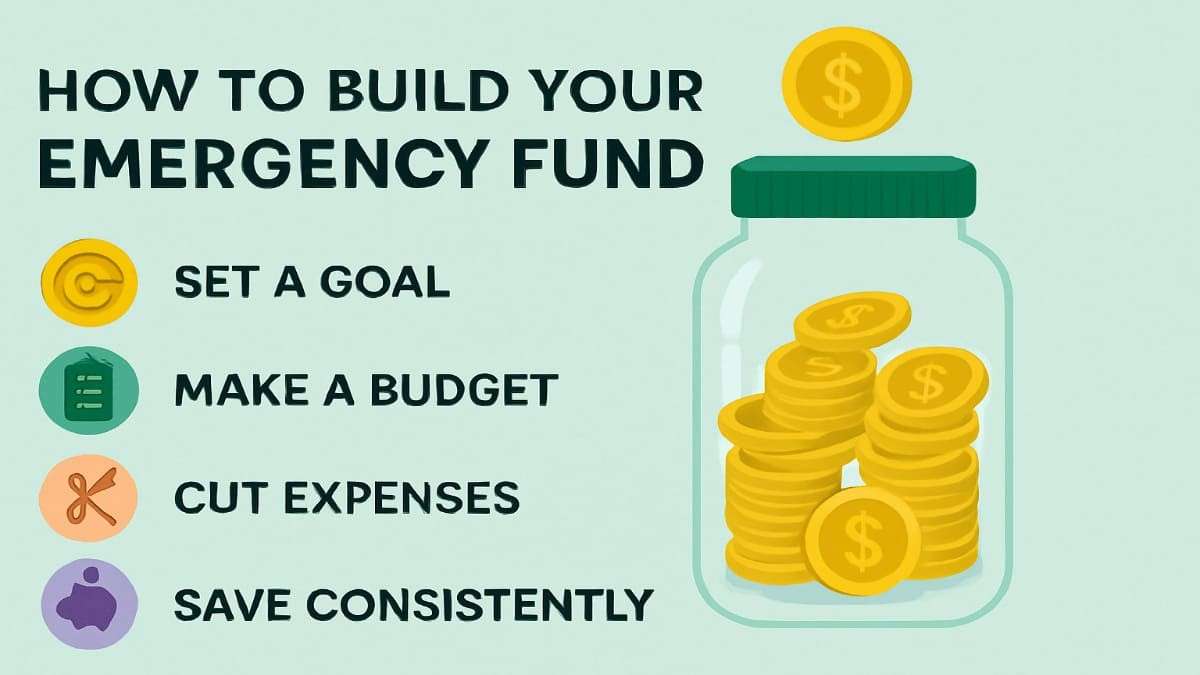
Building an emergency fund takes time, but consistency is key. Here’s how to get started:
- Start Small: Even ₹500-₹1,000 a month adds up. For example, saving ₹1,000 monthly reaches ₹12,000 in a year.
- Automate Savings: Set up an auto-debit from your salary account to a dedicated emergency fund account.
- Cut Non-Essential Spending: Skip frequent dining out or subscription services to redirect funds.
- Use Windfalls: Channel bonuses, tax refunds, or festival gifts into your fund.
- Set Milestones: Aim for one month’s expenses first, then three, then six.
- Review Annually: Adjust your target as expenses change (e.g., new EMIs, rent hikes).
Example Plan
If your goal is ₹1,80,000 and you save ₹10,000 monthly, you’ll reach it in 18 months. Increase to ₹15,000 monthly to hit the target in 12 months.
Common Mistakes to Avoid
- Mixing Funds: Keep your emergency fund separate from regular savings or investment accounts to avoid spending it.
- Ignoring Inflation: Update your fund periodically to match rising costs.
- Using for Non-Emergencies: Resist dipping into it for vacations or gadgets.
- Not Replenishing: If you use the fund, prioritize rebuilding it.
Emergency Fund Across Life Stages
- Young Professionals: Start with a smaller fund (3 months’ expenses) and increase as income grows.
- Families with Children: Aim for 6-9 months to cover dependents’ needs.
- Retirees: Maintain a larger fund (9-12 months) due to limited income sources.
Case Studies
- Job Loss Scenario: Anil, a 35-year-old IT professional in Bengaluru, lost his job during a company downsizing. His emergency fund of ₹2,40,000 (6 months’ expenses) covered his family’s needs while he searched for a new job, avoiding credit card debt.
- Medical Emergency: Priya, a single mother in Mumbai, faced a ₹1 lakh hospital bill for her son’s surgery. Her emergency fund of ₹1,50,000 covered the costs, sparing her from high-interest loans.
FAQs
How much is enough for an emergency fund?
Typically, 3-6 months of essential expenses. Freelancers or those with dependents may need 6-12 months.
Can I invest my emergency fund?
Stick to low-risk, liquid options like savings accounts or liquid mutual funds. High-risk investments like stocks are unsuitable.
What if I already have savings?
Allocate a portion to your emergency fund, ensuring it’s in a separate, accessible account.
Should I keep my emergency fund in cash?
Cash is vulnerable to theft and earns no interest. A savings account or liquid fund is safer and offers returns.
How often should I review my emergency fund?
Annually, or after major life changes like marriage, job changes, or new financial commitments.
Conclusion
An emergency fund is your financial lifeline in an unpredictable world. In India, where economic shifts, healthcare costs, and natural disasters can strike unexpectedly, having this safety net is critical. Start small, stay consistent, and choose safe, liquid options to store your fund. By building and maintaining an emergency fund, you’re not just securing your finances—you’re investing in peace of mind and a stress-free future.
Take the first step today. Set aside a small amount, open a dedicated account, and watch your emergency fund grow into a robust shield against life’s uncertainties. Your future self will thank you.
Disclaimer: Moneyjack.in provides general financial information for educational purposes only. We are not financial advisors. Content is not personalized advice. Consult a qualified professional before making financial decisions. We are not liable for any losses or damages arising from the use of our content. Always conduct your own research.